
I. — Field Notes Veracruz · 19°25′N · 97°06′W Vol. IV / 2026

Saving the wild orchids of México.

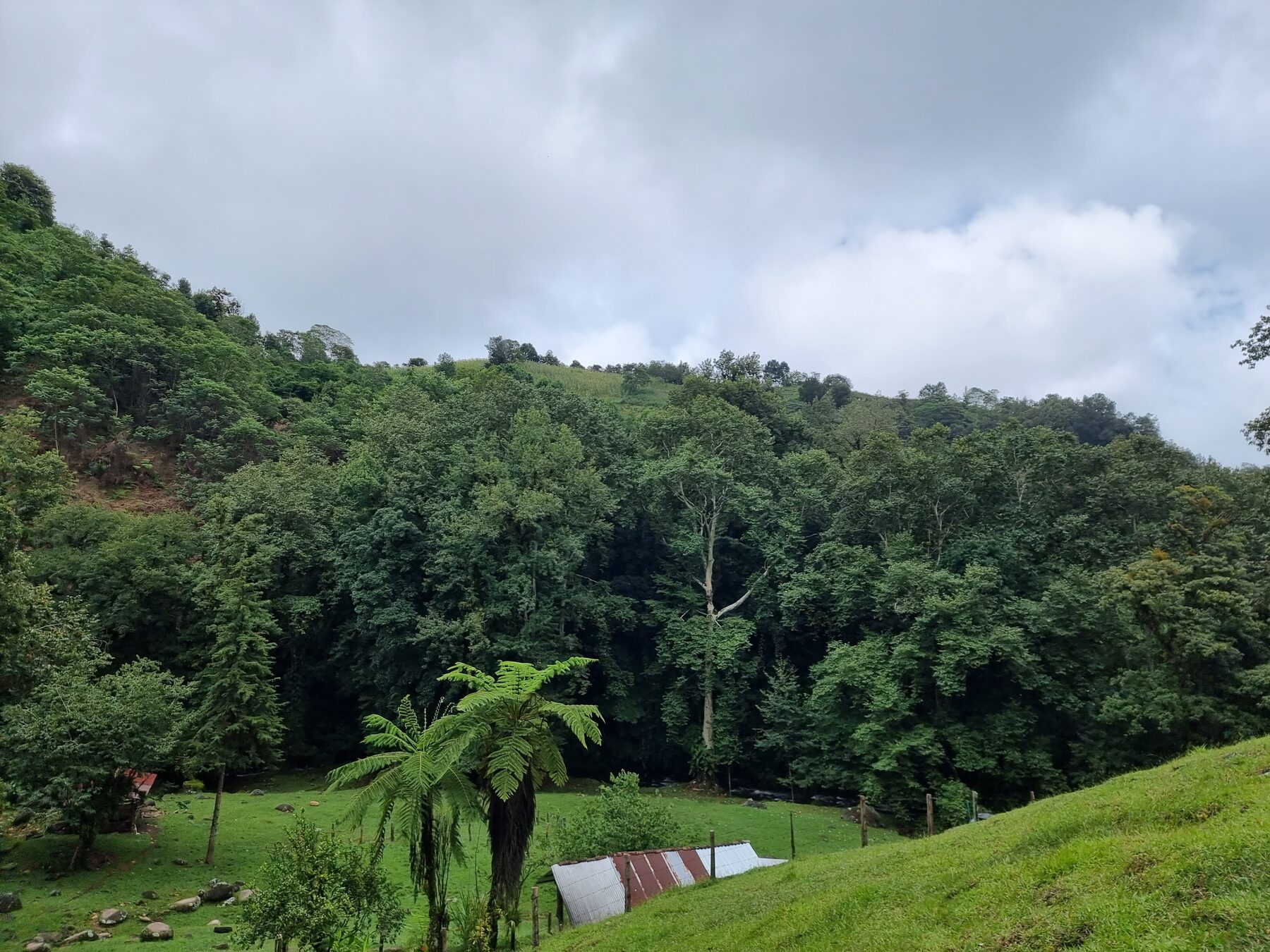
Cloud forest canopy in Veracruz
PL. 01 — Cloud forest canopy, Cofre de Perote, Veracruz

Orchidarc is a UK-registered conservation NGO working in the cloud forests of Mexico. We protect wild orchid populations through field research, habitat restoration, IUCN Red List assessment — and the documentary films we make to bring those forests to the world.

§ 02 — Discovery

A new nothogenus
from the mountains of Veracruz.

Our first formal taxonomic contribution: a hybrid genus that emerges where the cloud forests of central Mexico meet two ancient lineages.

SPECIMEN — OA · 0001 VER / MX
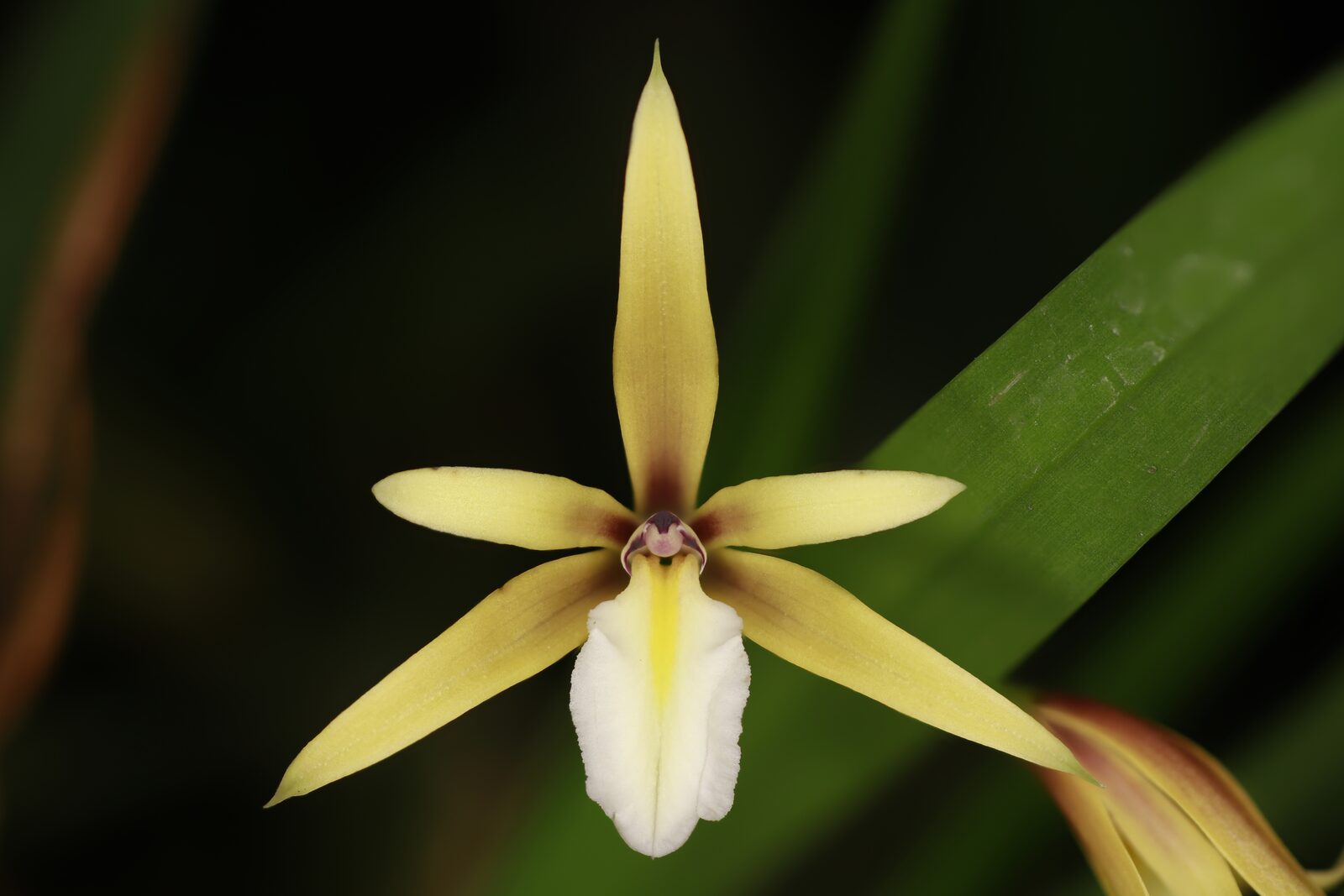
× Dinedema mariae

×Dinedema mariae

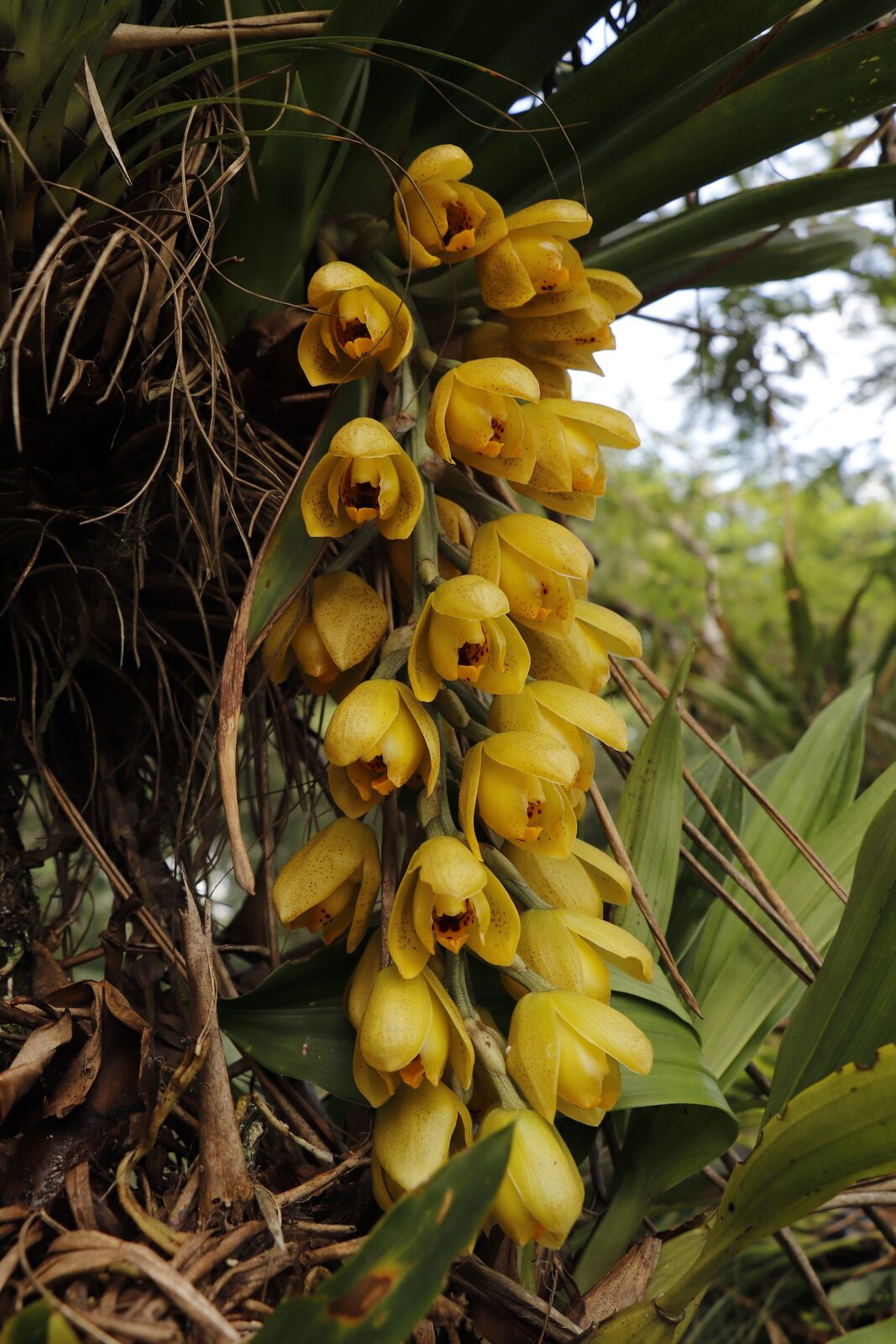
The parent genera are Nidema (nest) and Dinema (crown). The result is Dinedema — the nest-crown — the first new orchid taxon described and published by Orchidarc, endemic to the Mexican cloud forest belt.

Subtribe
Laeliinae
Habitat
Cloud forest, Veracruz
Status
Newly described, 2025
Distribution
Endemic to Mexico
Read the paper
§ 03 — Cinema

Documentary as conservation.

Orchidarc's films treat orchids as protagonists, not props. Filmed in the cloud forests of Veracruz and Oaxaca, in close partnership with the communities that have lived alongside them for centuries.

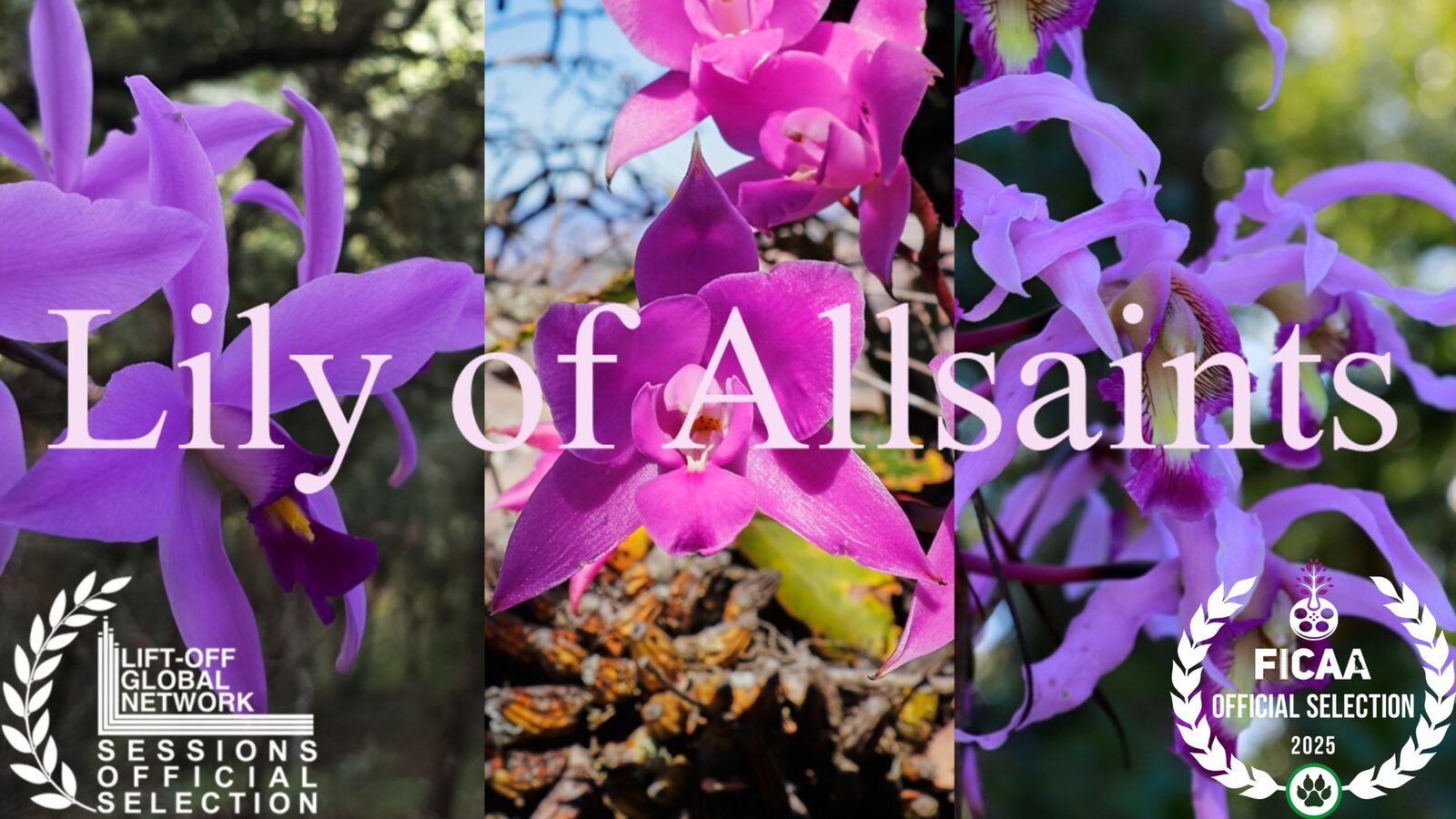
Lily of Allsaints
2025 · 35 min · DocumentaryEN / ES

Lily of Allsaints

The sacred orchids of Mexico — Laelia anceps on the altars of the Day of the Dead, the cloud forests where it still grows wild, and the people who have woven it into a thousand years of ceremony.

Best Feature Environmental Documentary, FICAA Mexico City, 2025
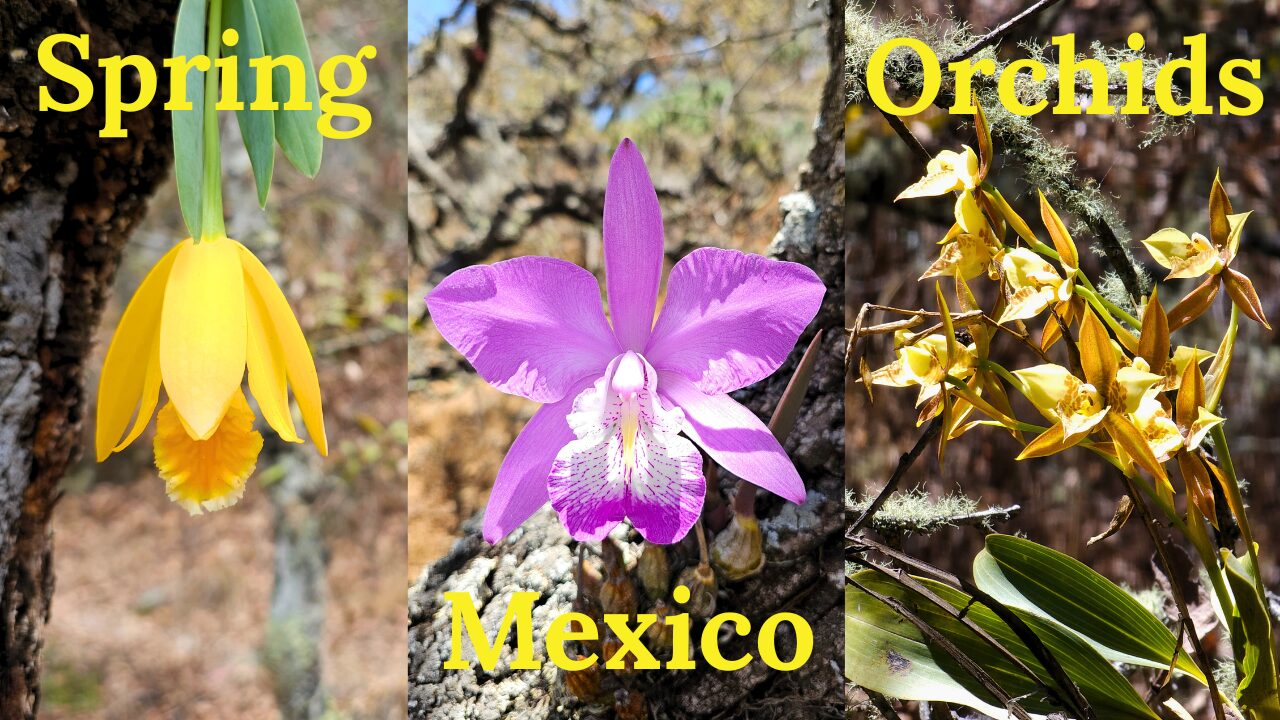
Spring Orchids: Mexico
2025 · 19 min · ShortEN / ES

Spring Orchids: Mexico

Spring in Mexico is the warmest, driest season — and it brings forth unimaginable beauty. A montage-style portrait of the orchids that bloom when the forest is at its thirstiest.

⚠ Urgent Conservation Action

The largest Cypripedium population recorded in Mesoamerica.

Following the discovery of the largest known Cypripedium population in Mesoamerica, we are racing against habitat loss and illegal collection to ensure its survival. Targeted surveys, in-situ protection and species reintroduction are underway across the Cofre de Perote cloud forest belt.

Learn more
Cypripedium
§ 04 — Field Notebook

Species under our care.

From the showy and fragrant to the cryptic and miniature — selected entries from the orchids we monitor, propagate and assess for the IUCN Red List.
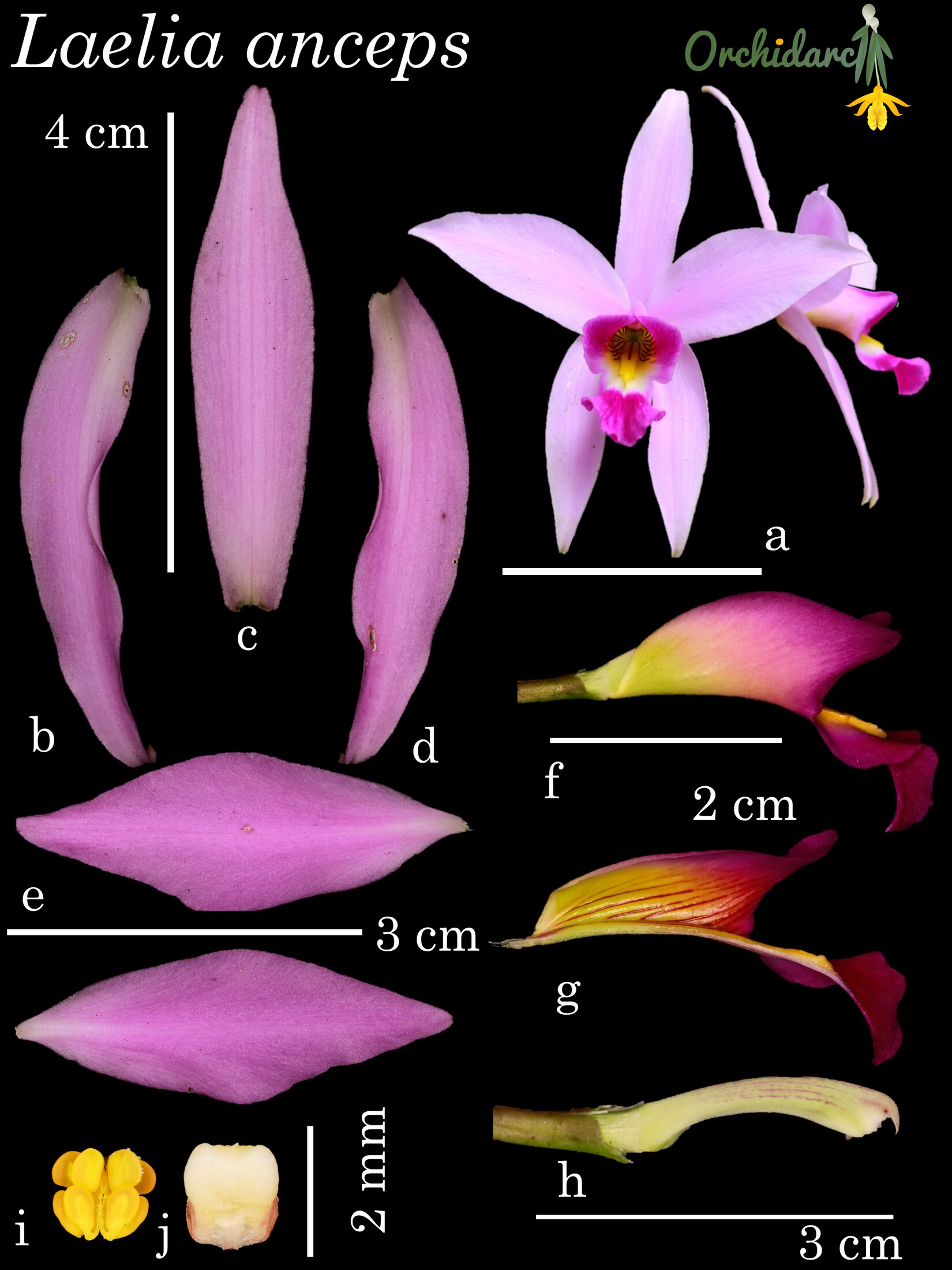
OA — Plate IIColl. 2022
Laelia anceps

Laelia anceps

Lindl.

Cultural icon · Widespread

Mexico's most iconic orchid — the lily of the altars. Flowers every November on the cliffs and oak branches of the eastern cordilleras, just in time for the Day of the Dead.

Read profile
OA — Plate IIIColl. 2022
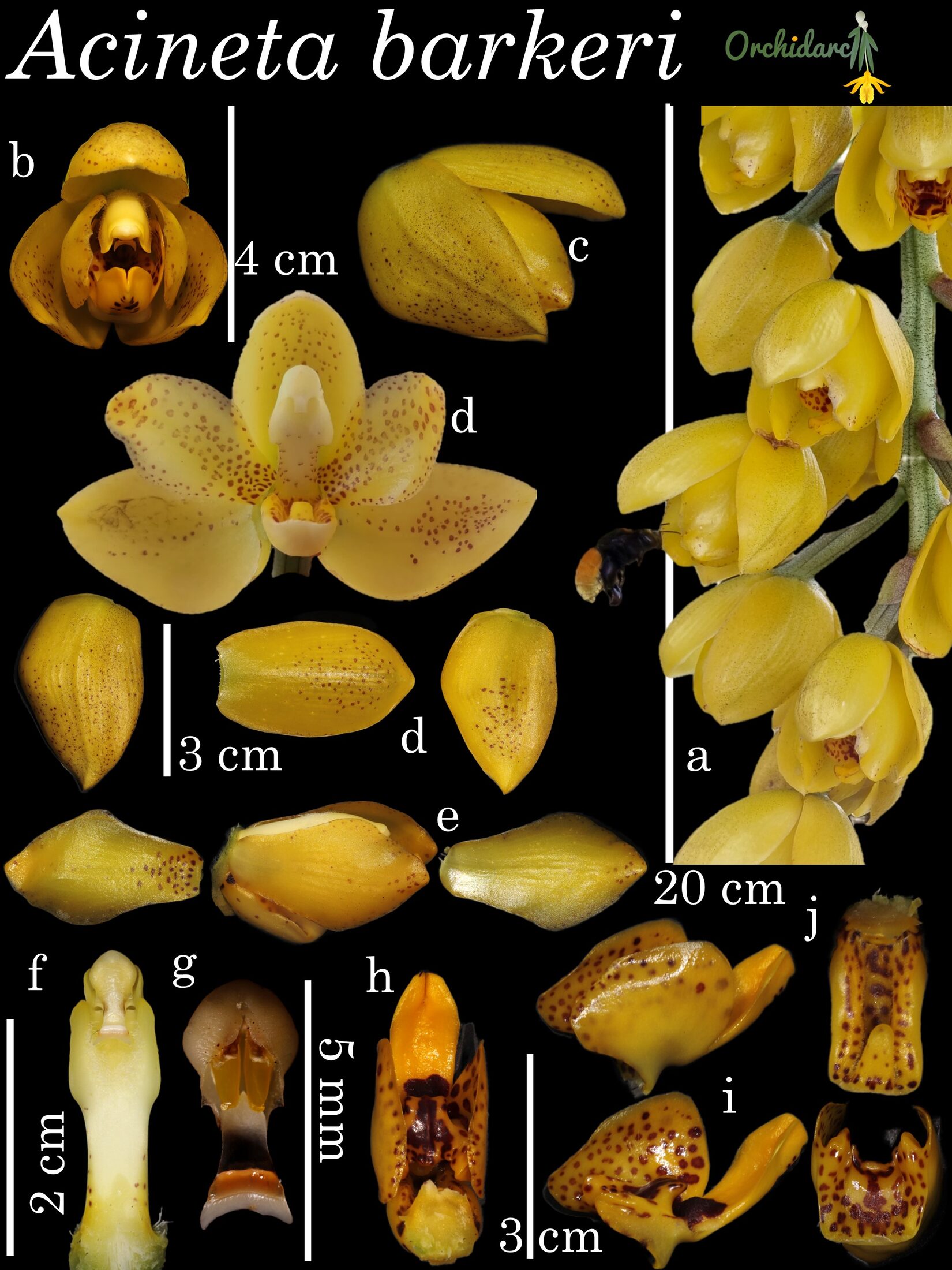
Acineta barkeri

Acineta barkeri

(Bateman) Lindl.

Endangered · Endemic

Pendant inflorescences cascade from cloud-forest branches. Heavily pressured by illegal collection — one of the flagship species of our long-term monitoring programme.

Read profile
OA — Plate IVColl. 2021
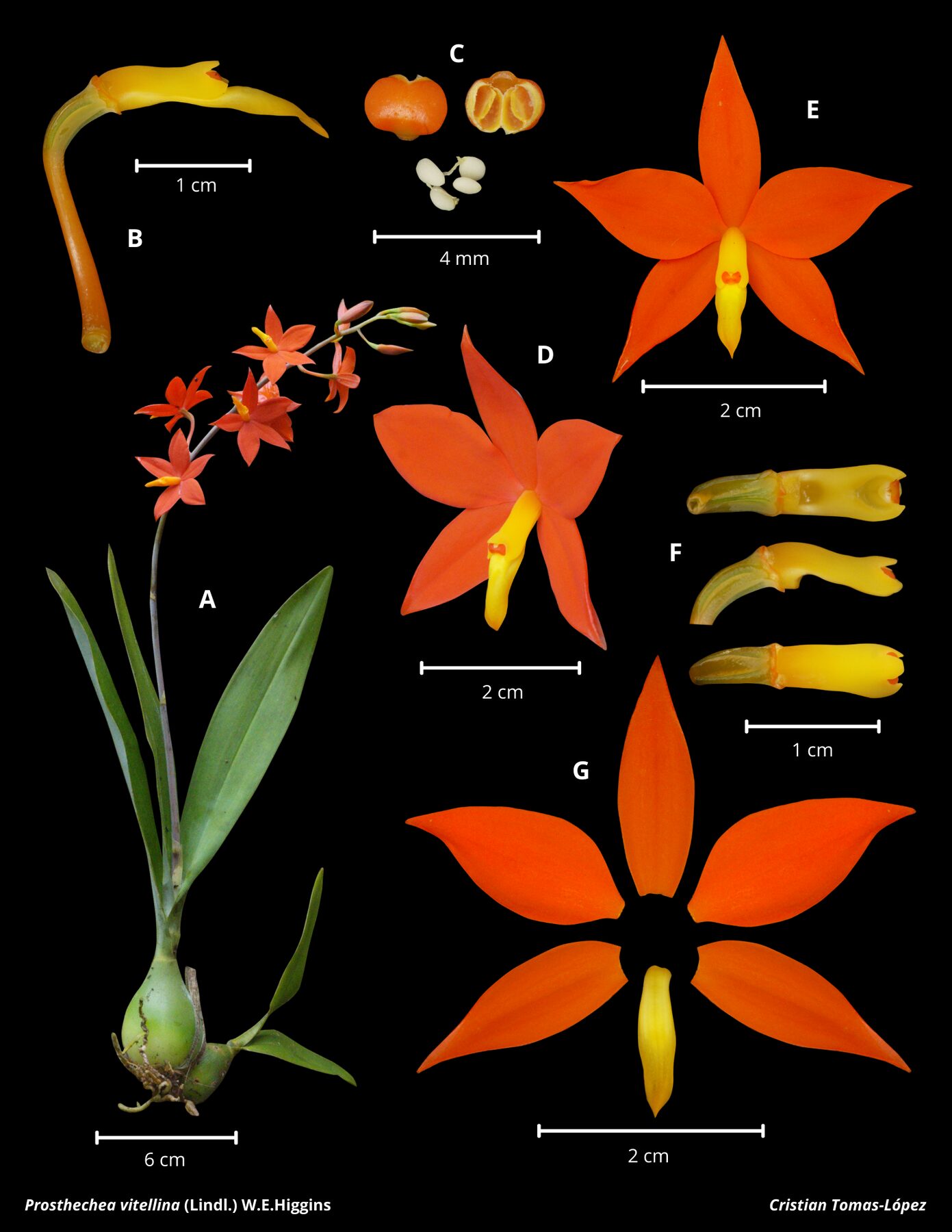
Prosthechea vitellina

Prosthechea vitellina

(Lindl.) W.E.Higgins

Endangered · Abundant on reserve

A Central American icon. Despite formal endangered status, this species thrives within our reserve — a quiet conservation success.

Read profile
OA — Plate VColl. 2023
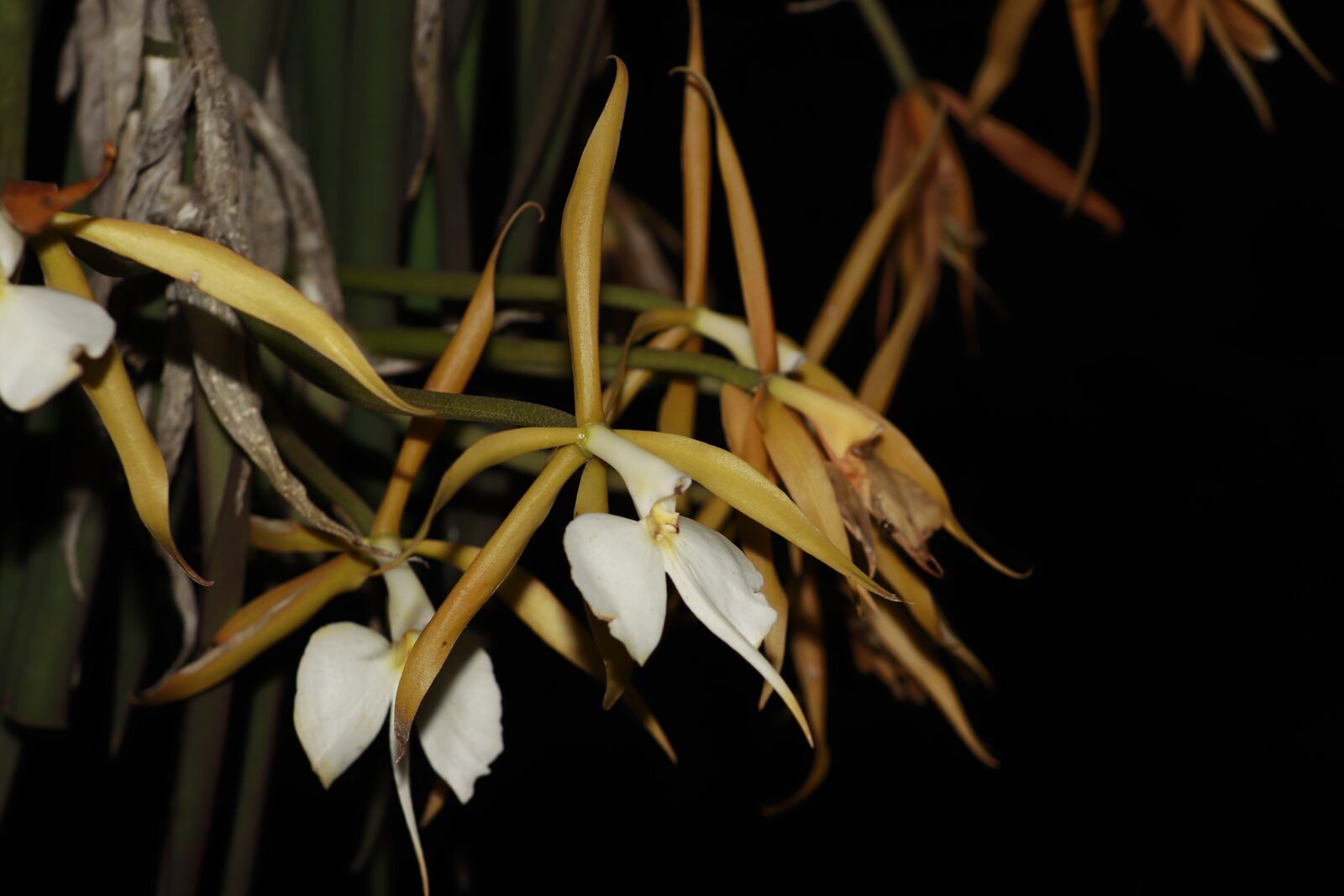
Epidendrum parkinsonianum

Epidendrum parkinsonianum

Hook.

Canopy specialist · Under monitoring

The pendant-leaf giant — specimens in the canopy can reach over a metre long. Night-scented, moth-pollinated, and increasingly rare in accessible forest.

Read profile

See the full herbarium

§ 05 — Research

The RAR Climate Replicator.

An automated habitat-replication system for orchid conservation — built in-house to solve one of the hardest problems in the field.

RAR Climate Replicator

Recreating the cloud forest, indoors.

Most laboratory-grown orchid seedlings die during deflasking — the transition from sterile in-vitro culture to open air. The RAR Climate Replicator is our response: a modular automated greenhouse that reproduces the specific temperature, humidity, airflow and light cycles of the habitats these orchids came from.

It lets us acclimatize vulnerable seedlings under conditions they can actually survive, and gives us a controlled testbed for studying microhabitat requirements in species we can't risk experimenting on in the wild.

See the research
§ 06 — About

A small organisation, working across three disciplines.

Orchidarc sits at the intersection of field biology, conservation practice and documentary cinema — three disciplines that, in our work, refuse to be separated.

≈1300
Orchid species in Mexico
≈600
Endemic to Mexico
14 ha
Cloud forest under management
2022
Year founded · Sheffield, UK

Founded in 2022 and registered with the UK Charity Commission, Orchidarc operates primarily in Veracruz and Oaxaca, with research collaborations in the United Kingdom, Japan, Ecuador and Costa Rica.

We are a small team — and that's intentional. Every project we take on is led directly by the people doing the field work, the science, and the storytelling.

01 — Research

Field & laboratory

Taxonomy, IUCN Red List assessment, orchid bioadhesives, and the RAR Climate Replicator for habitat simulation.

02 — Conservation

In-situ & ex-situ

Reserve management, symbiotic propagation, and reintroduction of threatened species into protected cloud forest sites.

03 — Cinema

Documentary as a tool

Long-form films that bring the cloud forest to international audiences — and the funding it needs back home.

More about us

Ready to take the next step?

Field dispatches.

Occasional letters from the cloud forest — new species accounts, film releases, expedition reports. No spam, ever.