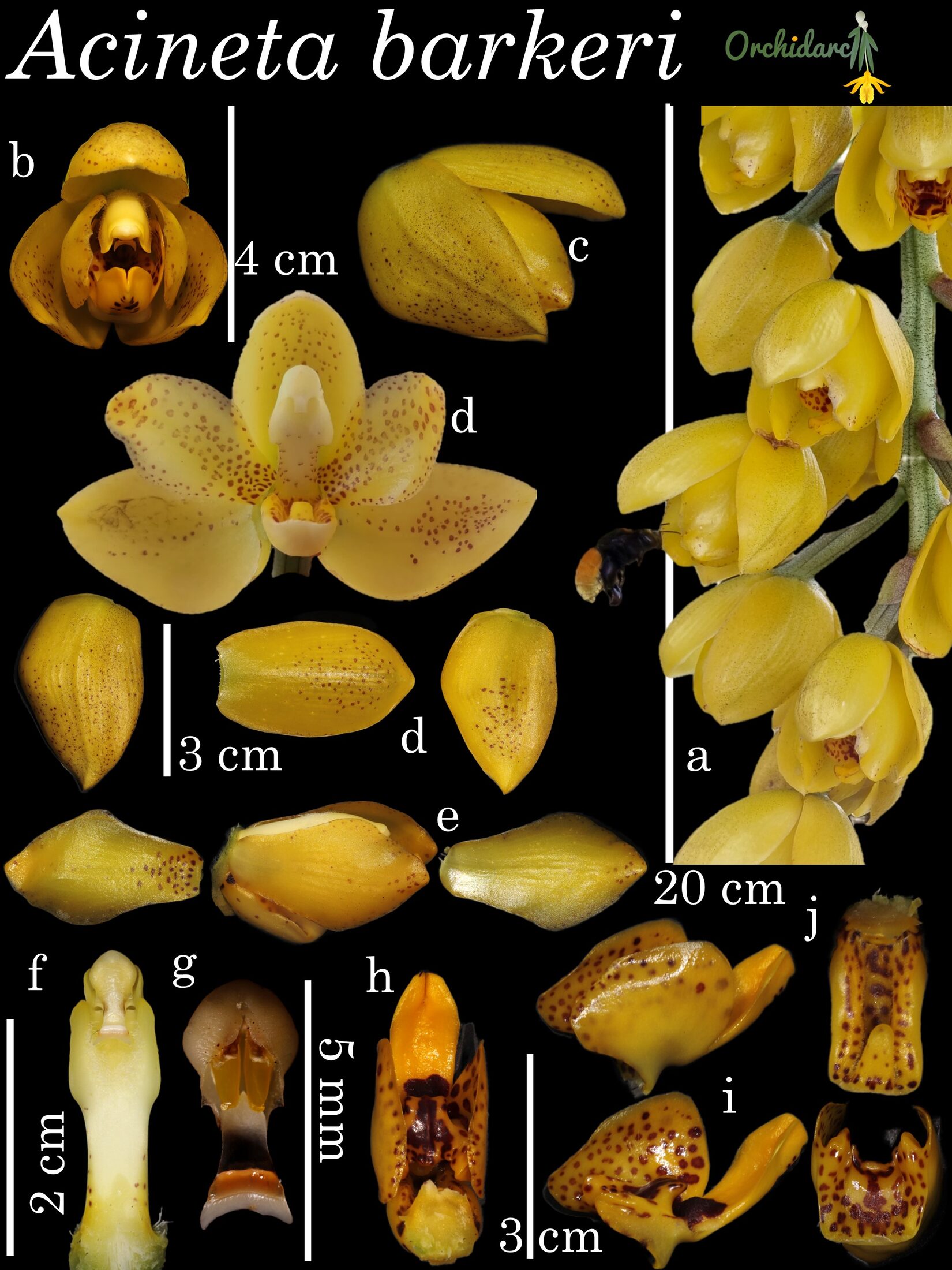
Acineta barkeri is an endemic Mexican orchid of montane cloud forests, threatened by habitat destruction, illegal trade, low fruiting frequency, specialised pollination biology and the loss of the humid epiphyte-rich microhabitats it requires.
Field observations at the Orchidarc reserve in Veracruz recorded roughly seventy-five mature individuals across fourteen hectares. Most plants were adults, while juveniles and fruiting individuals were rare. This demographic pattern suggests that the population is established but potentially limited by recruitment and natural reproduction.
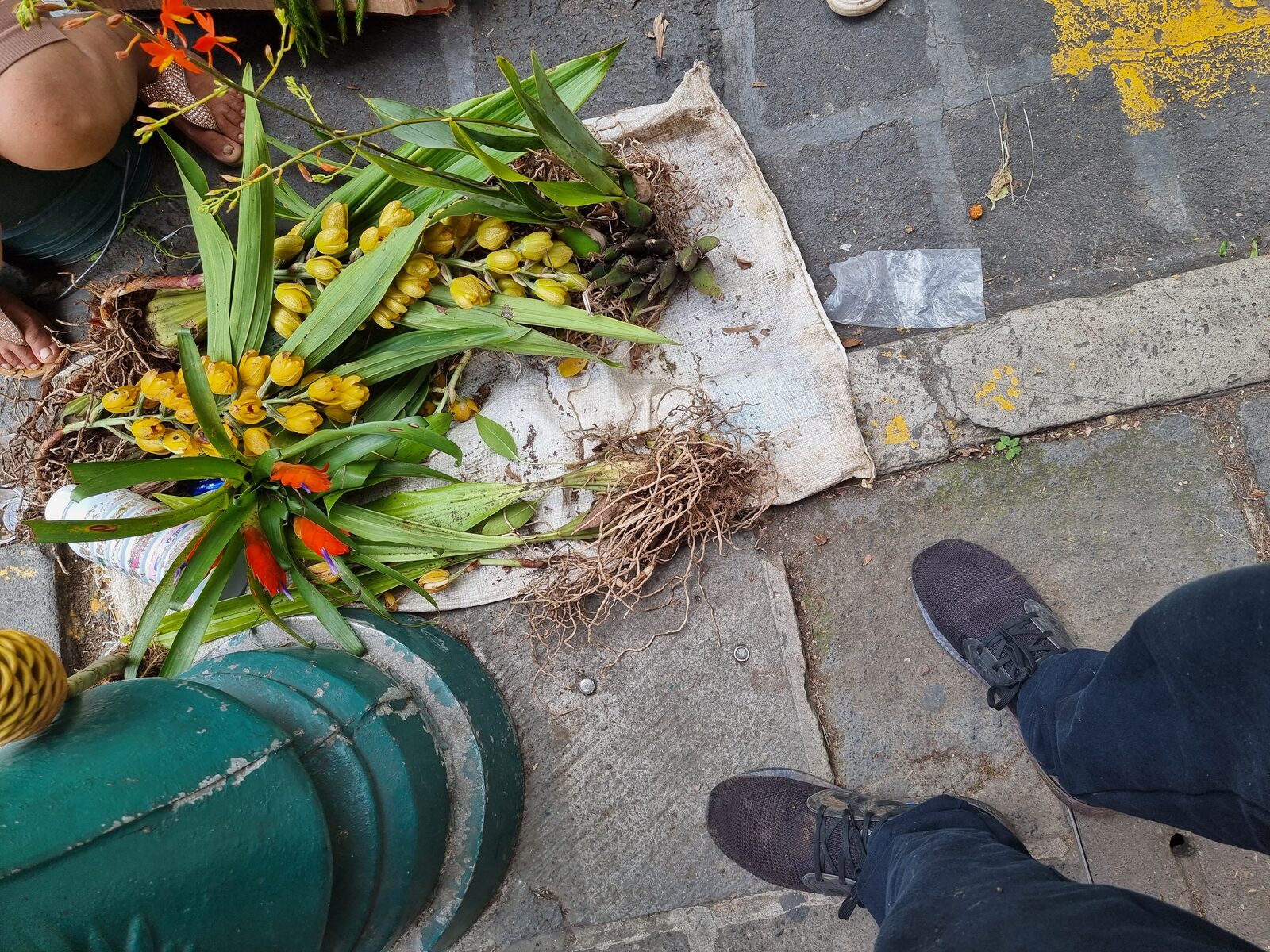
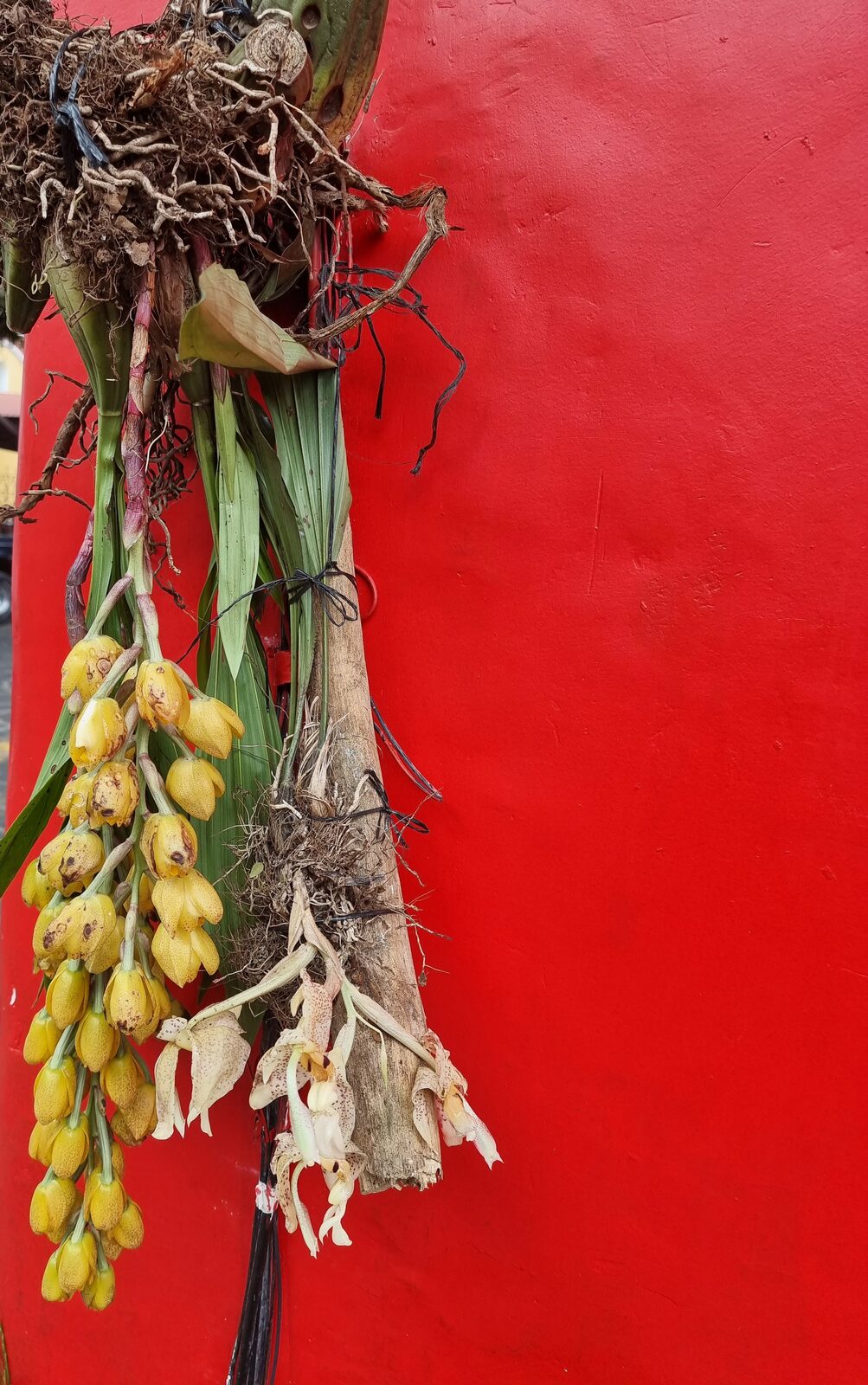
The species is sought after for its large, golden, strongly scented inflorescences. Its ornamental appeal makes it vulnerable to extraction during the flowering season, particularly in areas where wild-collected orchids are sold informally along roadsides and in local markets.
The genus Acineta
Acineta belongs to the Stanhopeinae, a group of mostly robust epiphytic orchids with spectacular flowers and specialised relationships with orchid bees. The genus extends from central Mexico to Ecuador and is generally associated with wet montane forests between approximately 800 and more than 2,000 metres elevation.
The name Acineta derives from the Greek akinetos, meaning immobile, referring to the rigid, non-articulated lip. Species in the genus often produce many-flowered pendant racemes and are pollinated by male euglossine bees, especially in the genera Eulaema and Eufriesea.
What makes Acineta barkeri distinctive
Acineta barkeri is native to Mexico, with its strongest associations in the cloud forests of Veracruz and Puebla. It is adapted to the eastern cloud forests of the Sierra Madre Oriental and differs ecologically from many Stanhopeinae by its dependence on humid ravines, accumulated organic matter and established epiphyte communities.
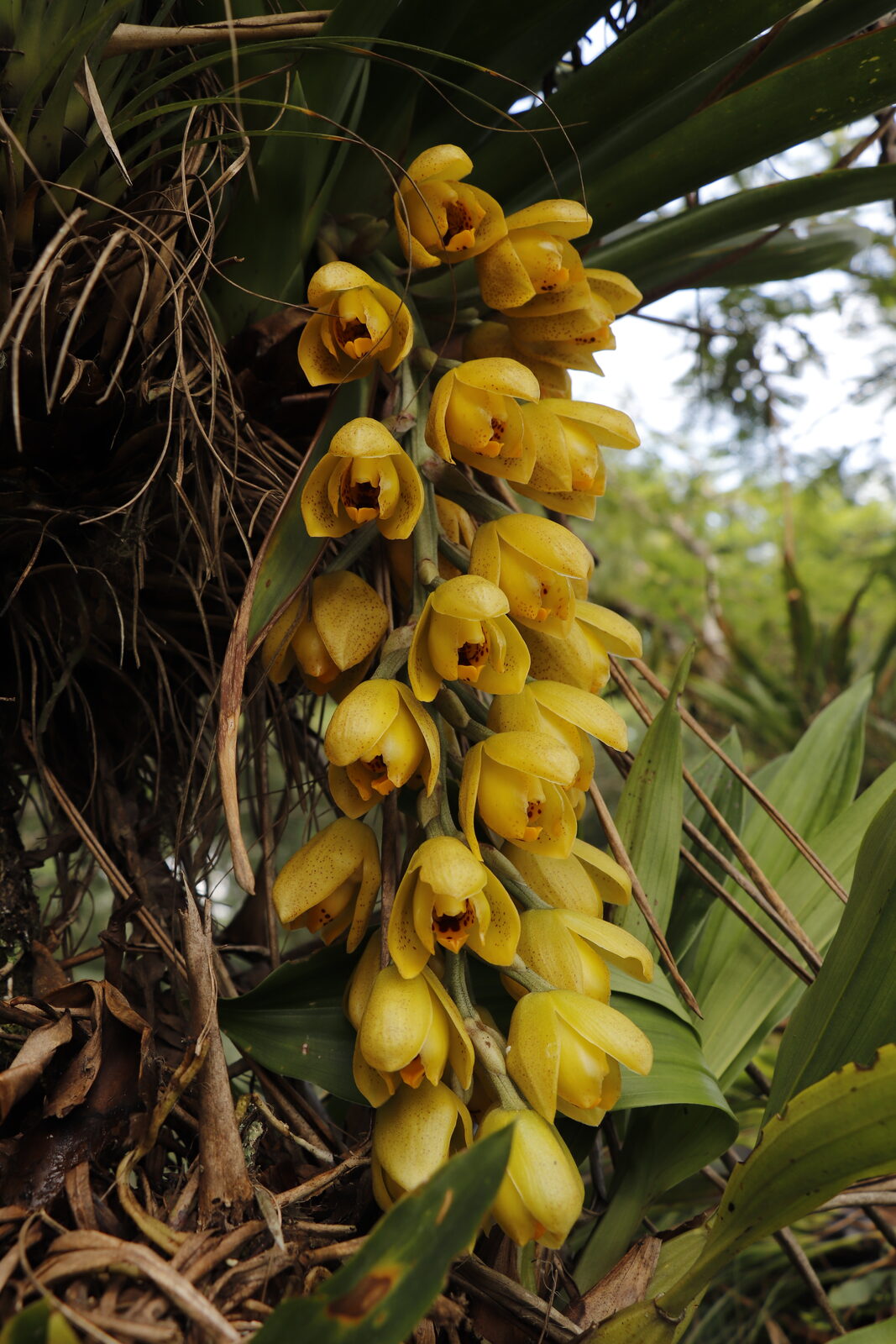
The flowers are waxy, satiny, cupped and intensely fragrant. The inflorescences are golden yellow, with a distinct blood-red blotch on the lip. The fragrance is produced deep in the flower and attracts large male orchid bees, but attraction alone does not guarantee effective pollination.
Conservation status
Mexico’s national risk list recognises Acineta barkeri as A EAmenazada. Earlier reassessments corrected distribution data but retained the threatened category, noting that only a few thousand individuals may remain in the wild. This legal category should not be softened into a generic “monitoring Elabel: the species is formally listed in Mexico and requires targeted conservation action.
Important distinction. Orchidarc treats the species as locally present and monitored at the reserve, but its formal Mexican status is NOM-059: Amenazada. Local presence does not mean the species is secure across its range.
Habitat: a hummus epiphyte of humid ravines
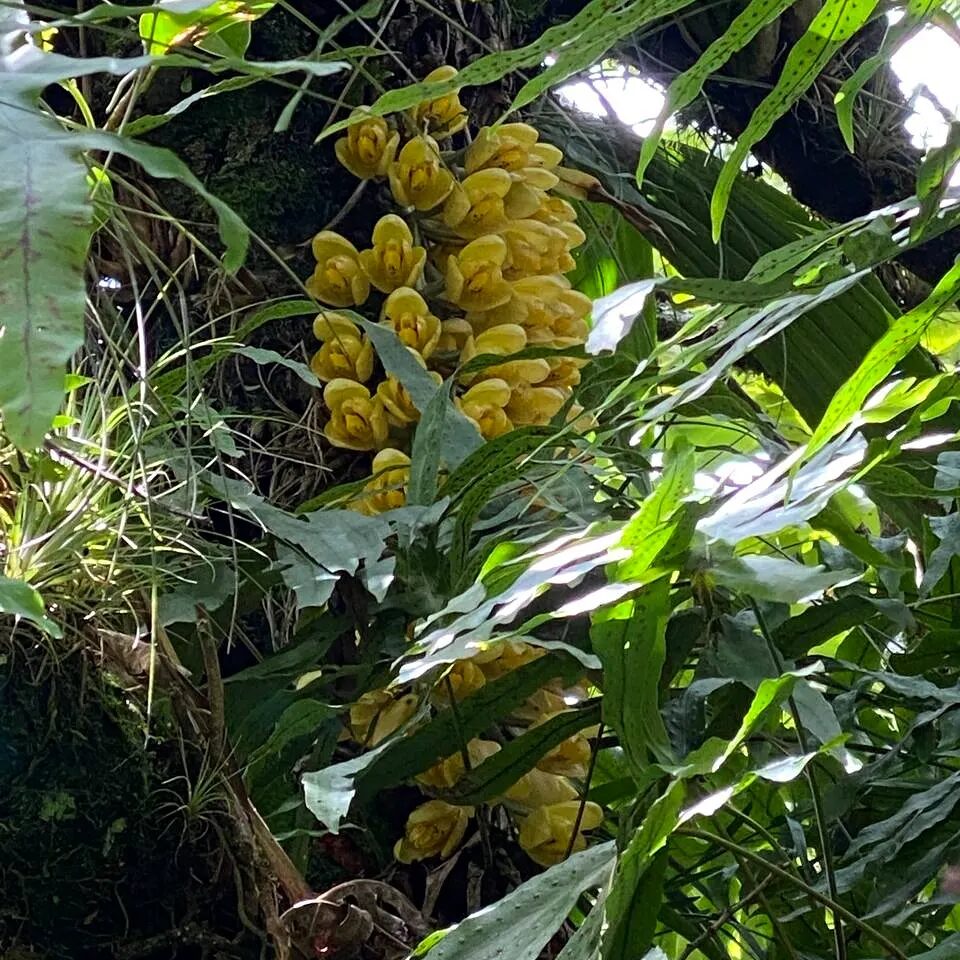
At the Orchidarc reserve, A. barkeri behaves as a hummus epiphyte. It is not simply attached to tree bark; it often grows in pockets of accumulated organic matter, roots, mosses, bromeliads and ferns. This means that the host tree species may be less important than the structure of the epiphyte mat and the stability of the humid microclimate.
The plants are especially associated with ravines and high-humidity areas within mesophilous cloud forest. The co-occurrence of Tillandsia, pteridophytes and organic debris appears important for maintaining the moisture and substrate conditions required by mature plants.
Pollination: attraction is not the same as success
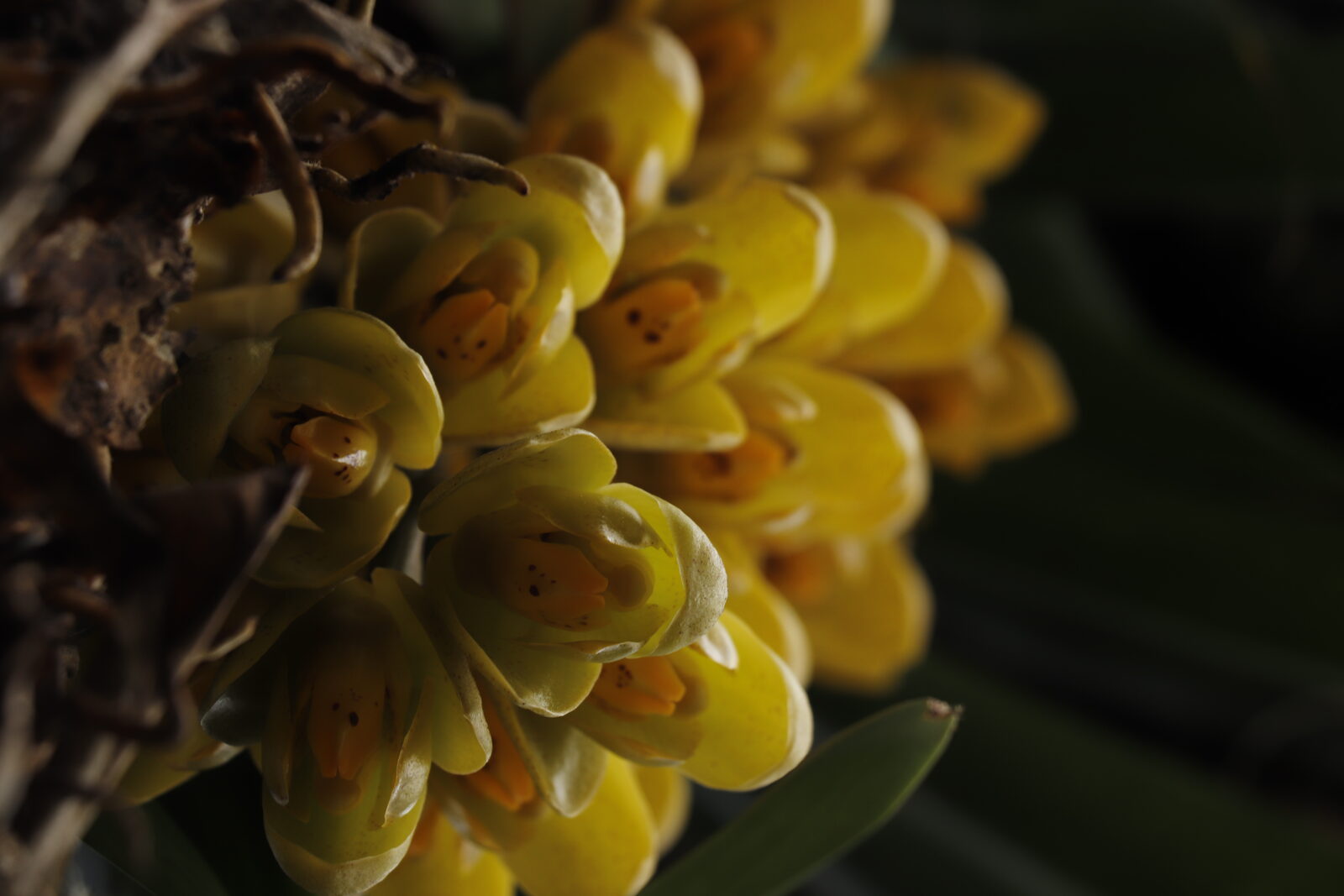
The pollination biology of A. barkeri is one of the most important conservation challenges. Large euglossine bees are attracted to the scent, but field observations suggest that some visitors cannot navigate the flower morphology effectively enough to contact the stigmatic cavity and remove or deposit pollinia.
The article records Eulaema polychroma as attracted to the flowers but unable to fit effectively into the floral chamber. The potential pollinator Eufriesea concava has been identified in the literature, but the interaction remains insufficiently documented in the field.
A further complication is the temperature-dependent adhesion of the pollinia. Successful attachment appears to require warm conditions, above roughly 30°C. In a cool, humid cloud-forest environment, this creates a narrow window for effective pollination.
Observed reproductive constraints
Within the Orchidarc reserve, only one fruiting plant was observed during the reported monitoring period, and fruiting had been historically recorded only rarely in preceding years. The low number of fruit-bearing individuals, combined with the scarcity of juveniles, raises concern about the reproductive viability of the population.
These observations suggest that conservation cannot rely only on protecting adult plants. It must also address the biological processes required for recruitment: pollinator availability, successful pollinia transfer, seed production, fungal compatibility and safe establishment sites for seedlings.
Illegal trade and extraction
Wild-collected Acineta barkeri plants have been documented for sale in Veracruz, including in the Coatepec area. The species is especially vulnerable during flowering, when its pendant yellow inflorescences make plants conspicuous and commercially desirable.
Extraction removes not only the orchid but often part of the supporting epiphyte mat or branch structure. Because large plants can take years to develop, the loss of mature individuals is not quickly reversed.
Tree fracture and microhabitat loss
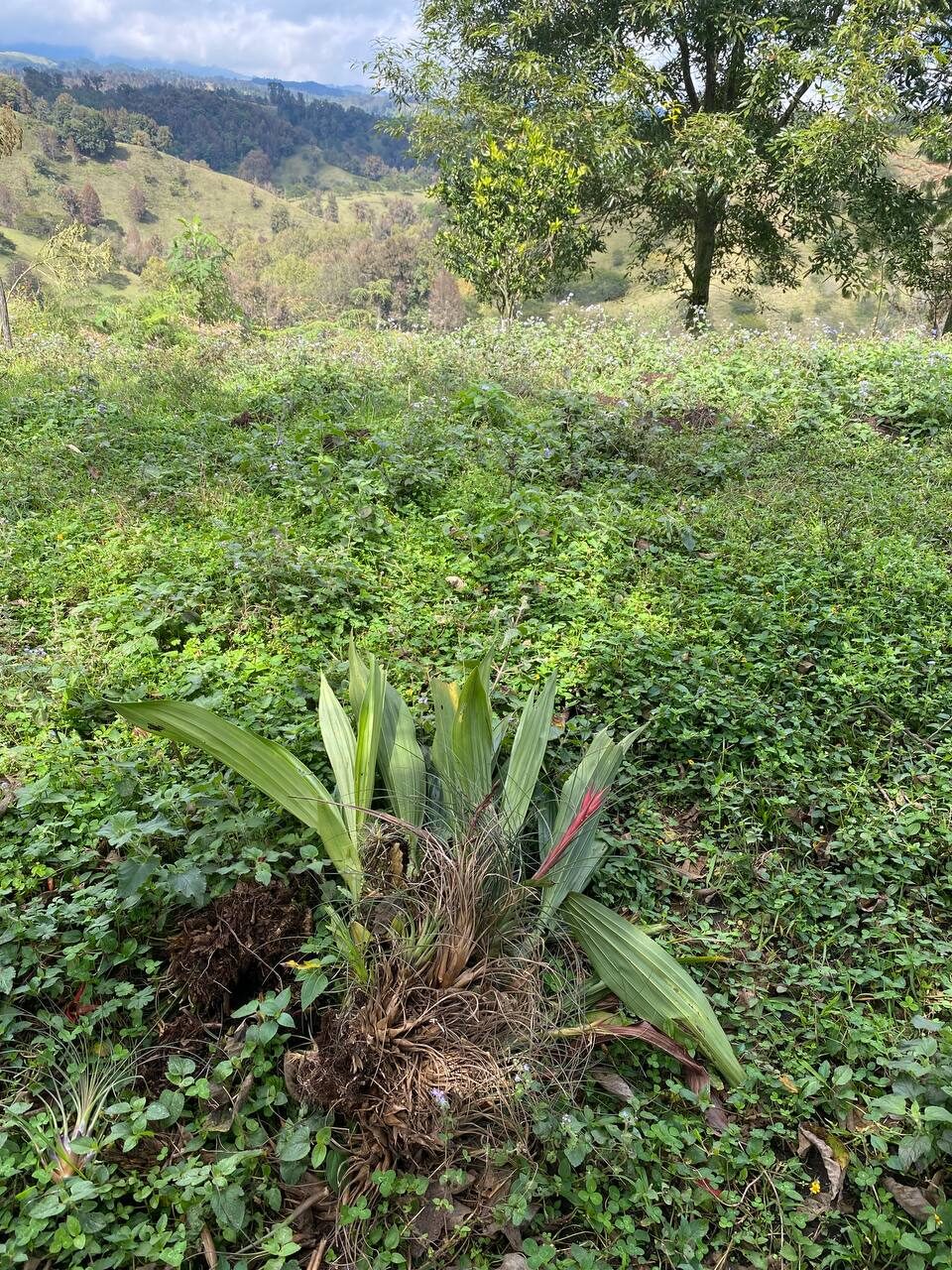
Another threat is mechanical. Mature Acineta barkeri plants can occur in heavy epiphyte assemblages with bromeliads, ferns and accumulated organic matter. The combined weight of mature plants and associated epiphytes may fracture branches, especially during storms or after tree weakening.
Branch loss is therefore both a natural disturbance and a conservation problem. When a supporting branch breaks, the plant may fall to the ground, where the microclimate is often unsuitable. Fallen plants can also become more visible to collectors.
Conservation opportunities
The most promising conservation pathway combines habitat protection, demographic monitoring, pollination biology and propagation. Orchidarc’s work has already shown that artificial pollination can produce a mature seed pod, creating an opportunity for propagation and eventual reintroduction in collaboration with regional institutions.
Conservation of A. barkeri should prioritise intact ravine microclimates, mature trees with established epiphyte mats, protection against collection, and research on pollinator identity and pollination mechanics. The species is not simply an orchid attached to a tree; it is part of a humid epiphyte community that must be conserved as a whole.
Support cloud forest conservation
References
- Bateman, J. 1838. Orchids of Mexico and Guatemala.
- Lindley, J. 1843. Acineta barkeri (Bateman) Lindl. Edwards's Botanical Register 29.
- Roubik, D. W. and Ackerman, J. D. 1987. Long-term ecology of euglossine orchid-bees. Oecologia 73: 321 E33.
- Salazar-Chávez, G. 1991. Acineta barkeri. In Hágsater, E. and Salazar, G. (eds.), Icones Orchidacearum: Orchids of Mexico.
- Soto-Arenas, M. A. and Solano-Gómez, A. R. 2007. Ficha técnica de Acineta barkeri. CONABIO/SNIB project W029.
- Rach, N. 2008. The genus Acineta.