The lily of the altars. Mexico's cultural orchid, blooming exactly when the Day of the Dead arrives.
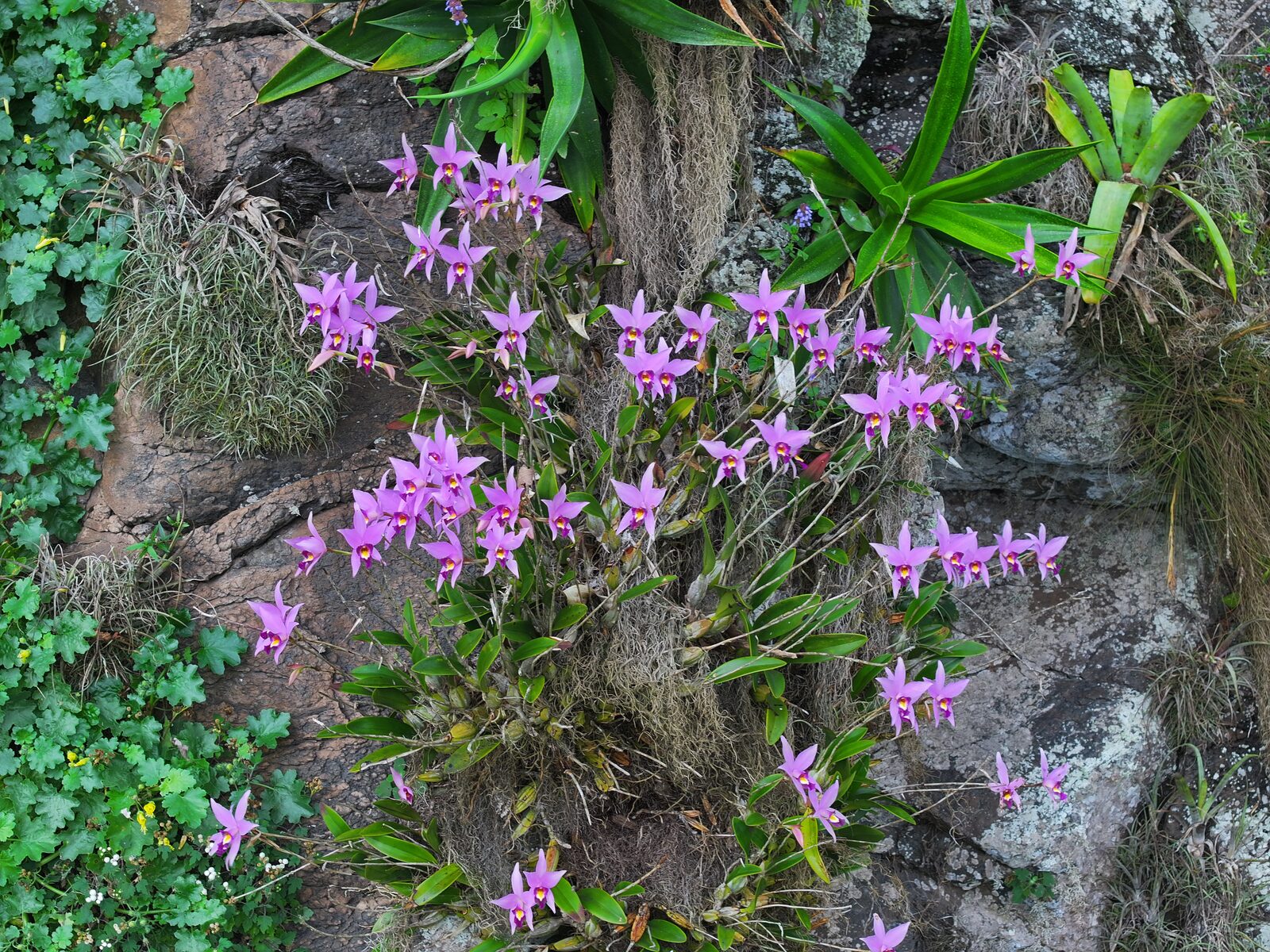
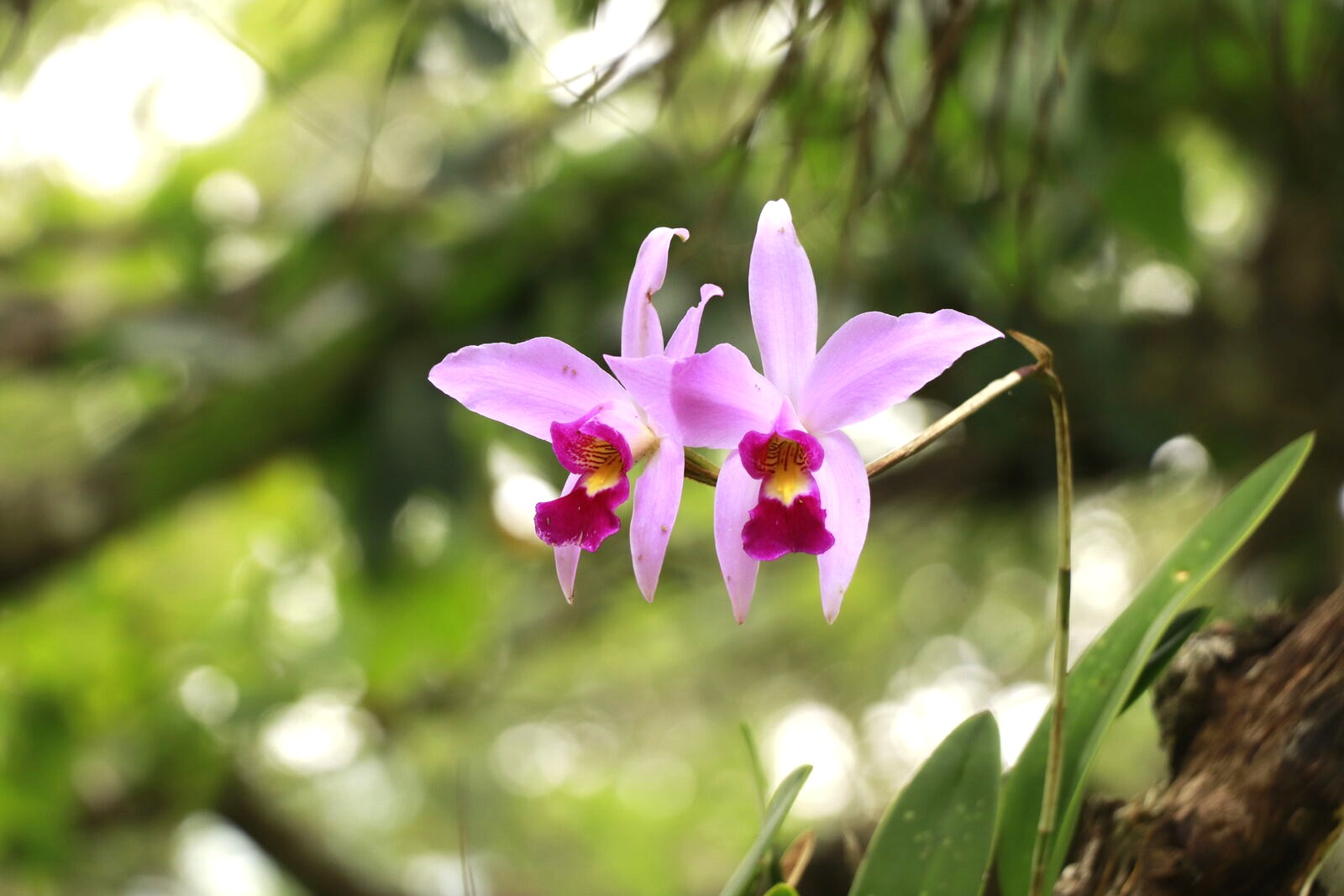
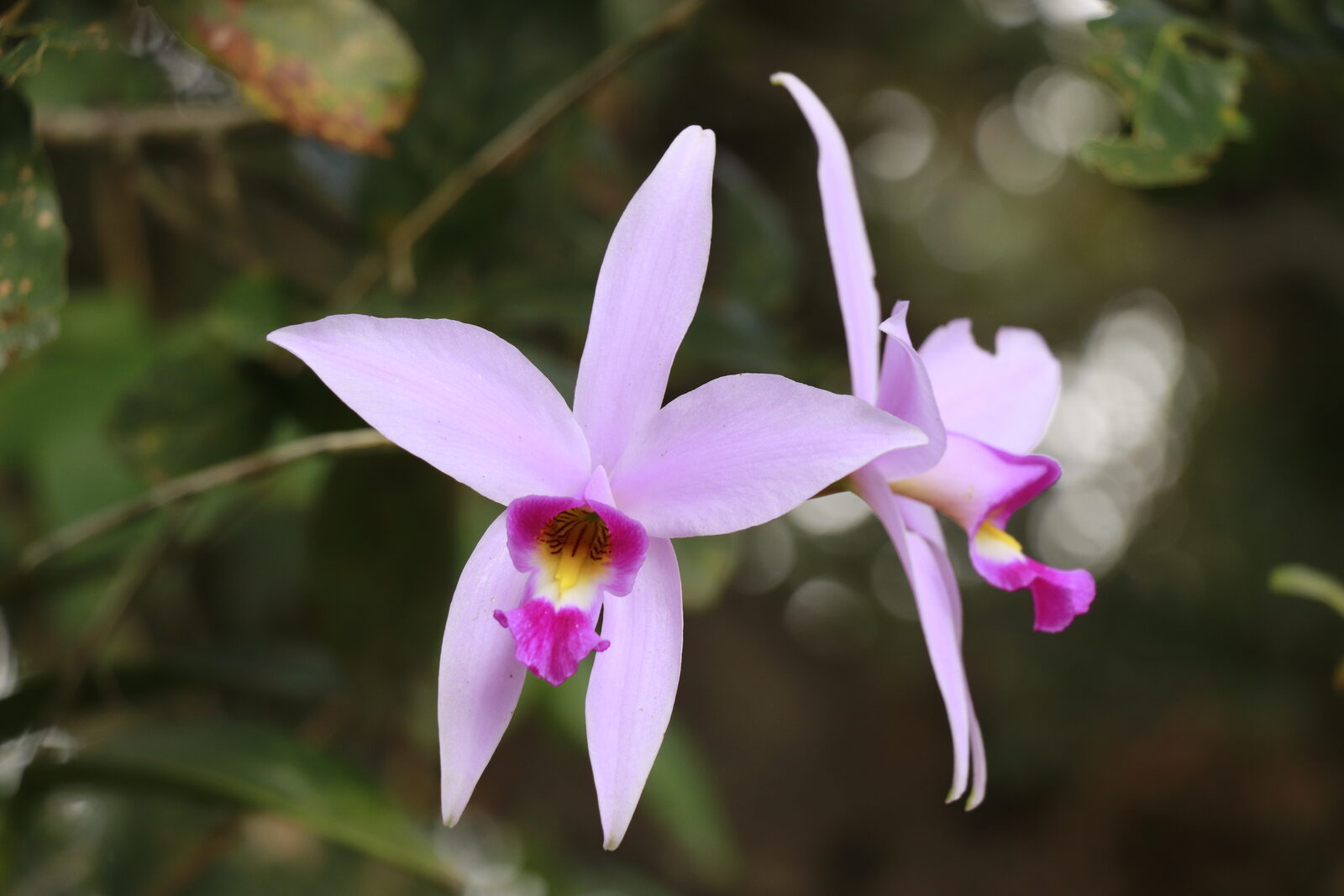
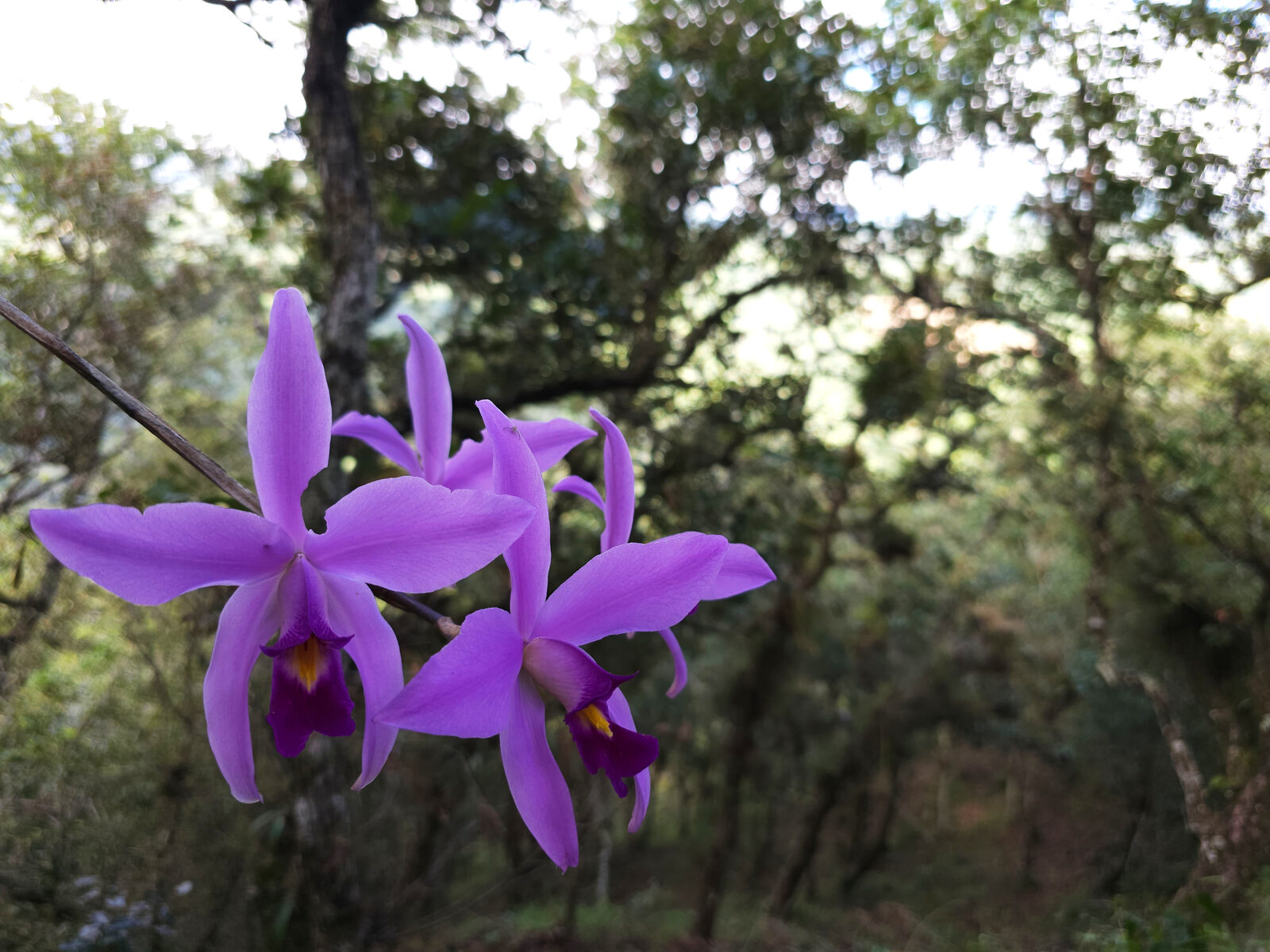
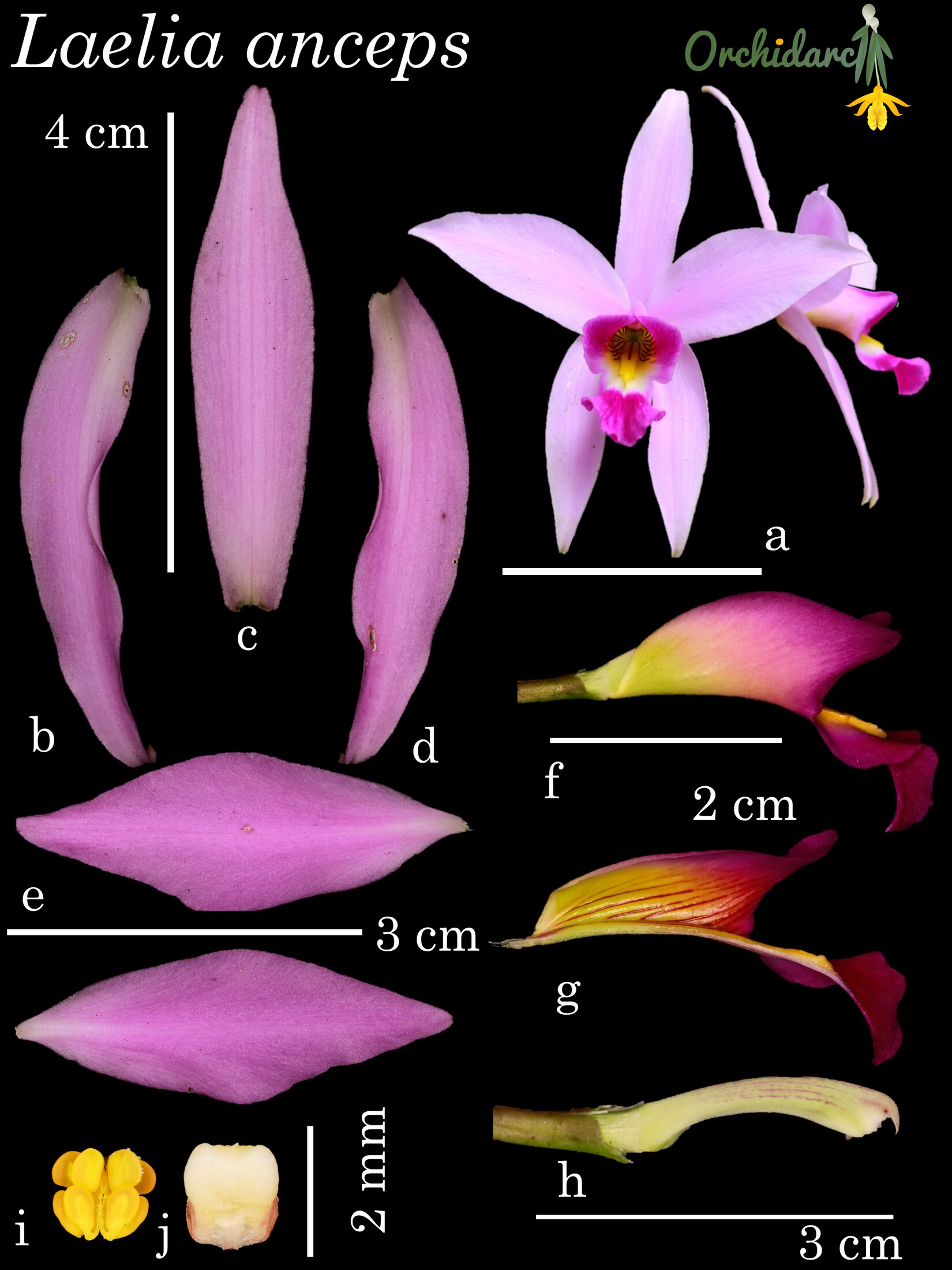
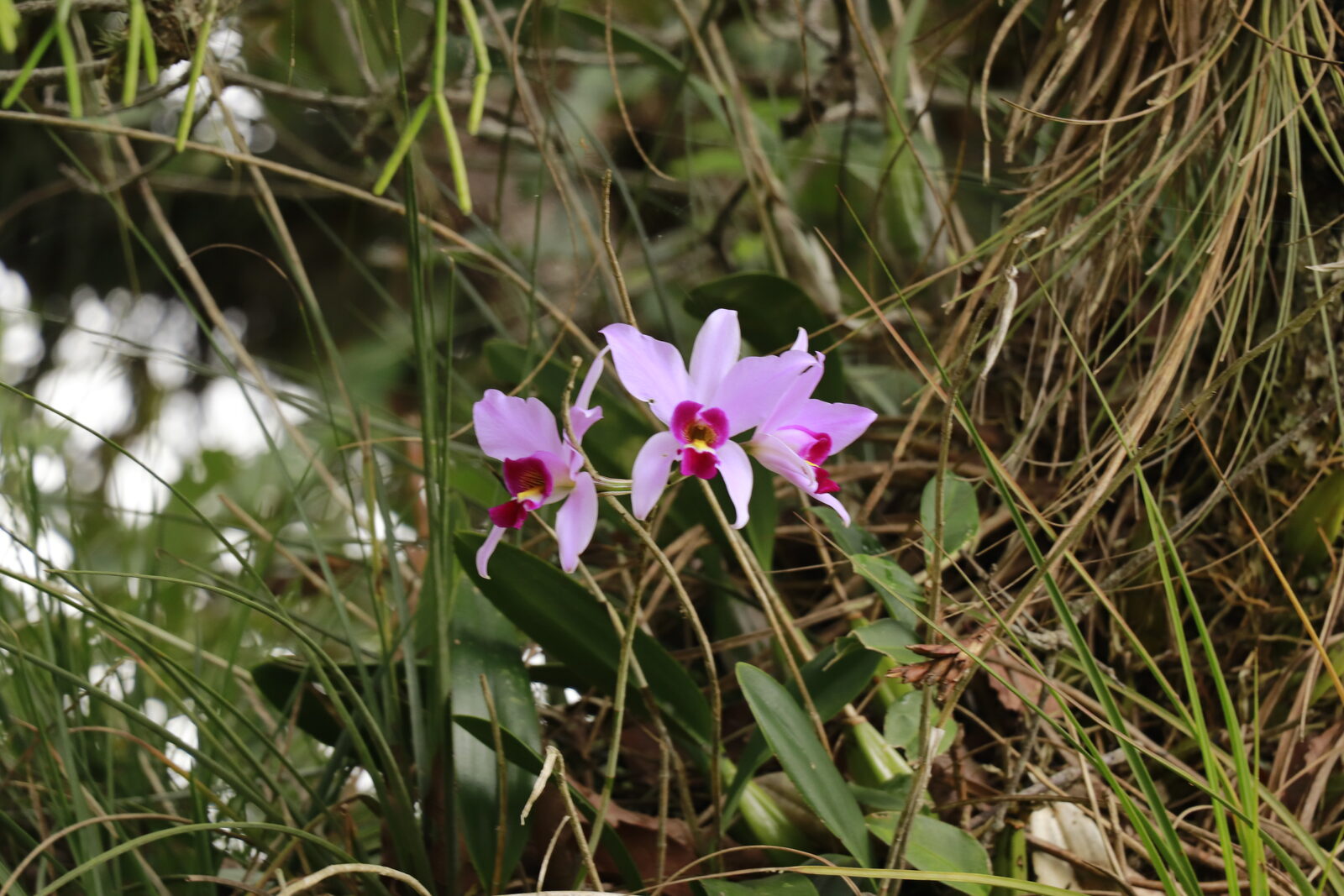
If Mexico had a national orchid, Laelia anceps would be an unavoidable candidate. It flowers in November Eexactly the week of the Day of the Dead Eand for as long as anyone can remember, its long inflorescences have crowned the altars that Mexicans build for their ancestors.
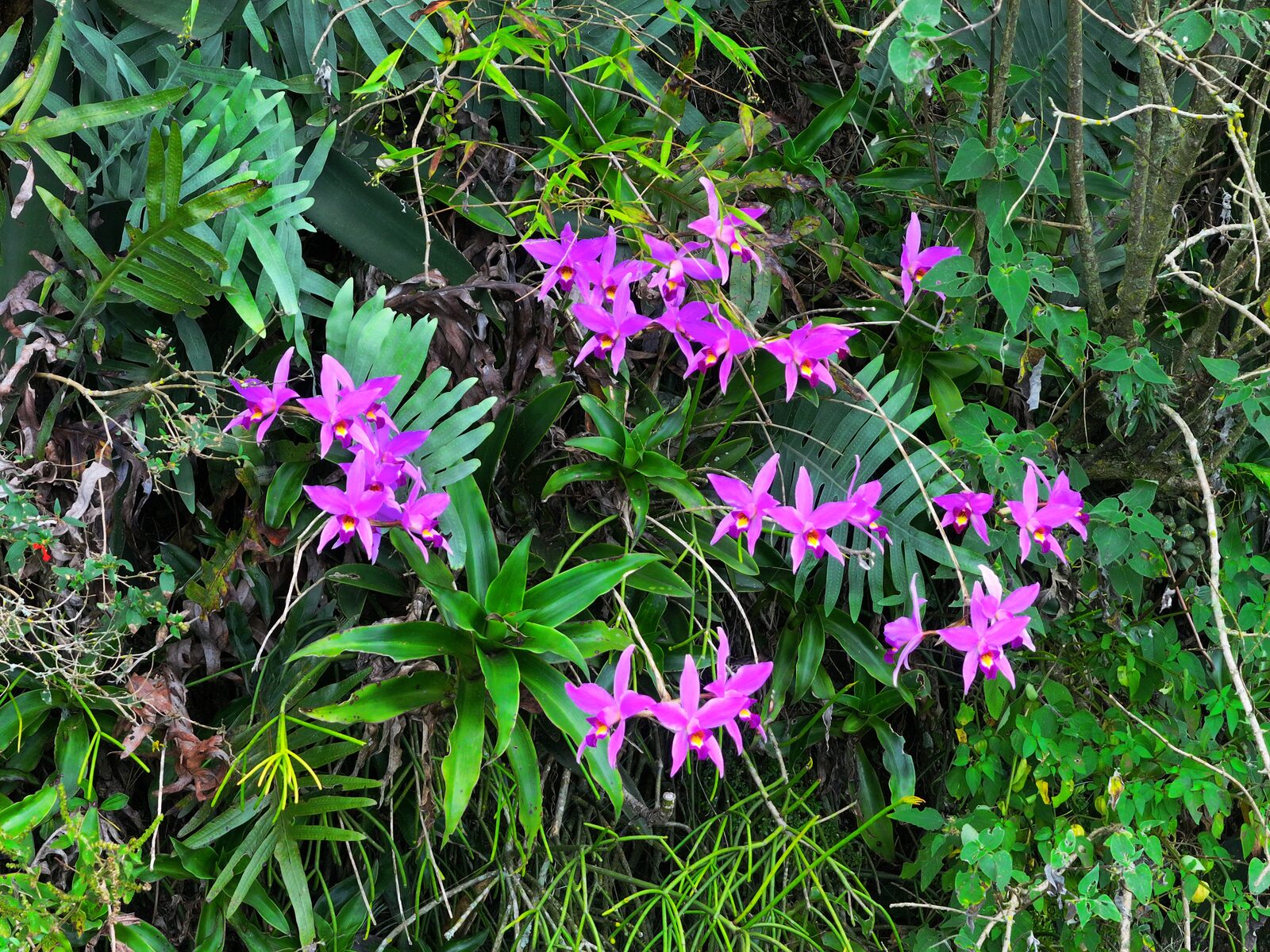
Unlike most epiphytic Laelias, L. anceps thrives as a lithophyte, growing directly on limestone cliffs and rocky outcrops as readily as on oak branches. Populations can cover entire cliff faces in colour when the plants bloom in unison.
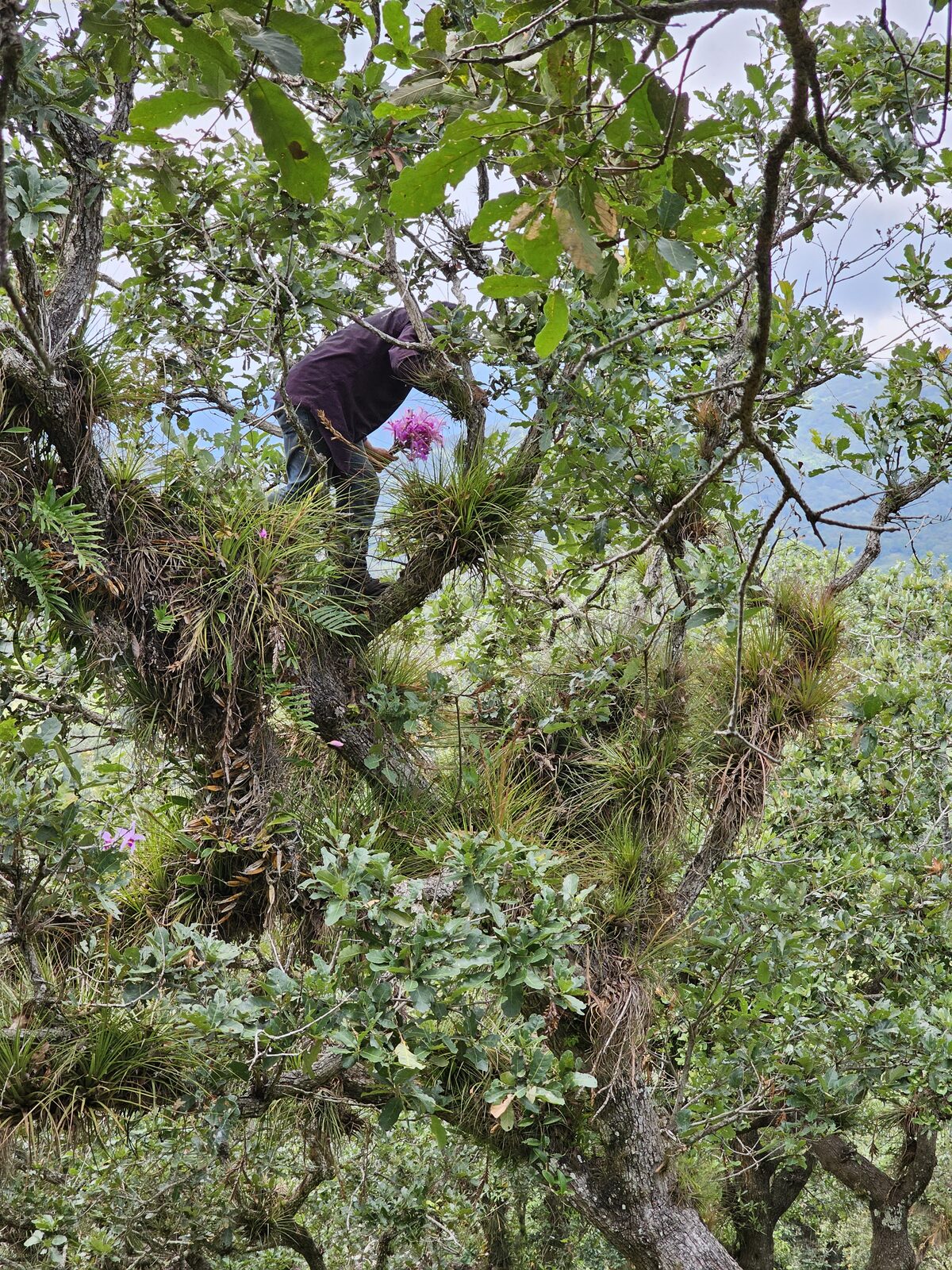
The species is woven into Mexican ceremonial life across a broad swath of the country. In Veracruz and Puebla, it is still harvested Esometimes sustainably, often not Efor Day of the Dead arrangements. Lily of Allsaints, our 2025 documentary, follows this relationship across the cloud forest and the cemeteries where the orchid ends up.
Although locally abundant in places, L. anceps populations have declined sharply near roads and settlements because of collection pressure. It is listed under special protection in Mexico (NOM-059-SEMARNAT). Our work focuses on mapping the remaining dense wild populations and documenting the sustainable harvest practices that still exist in some communities.