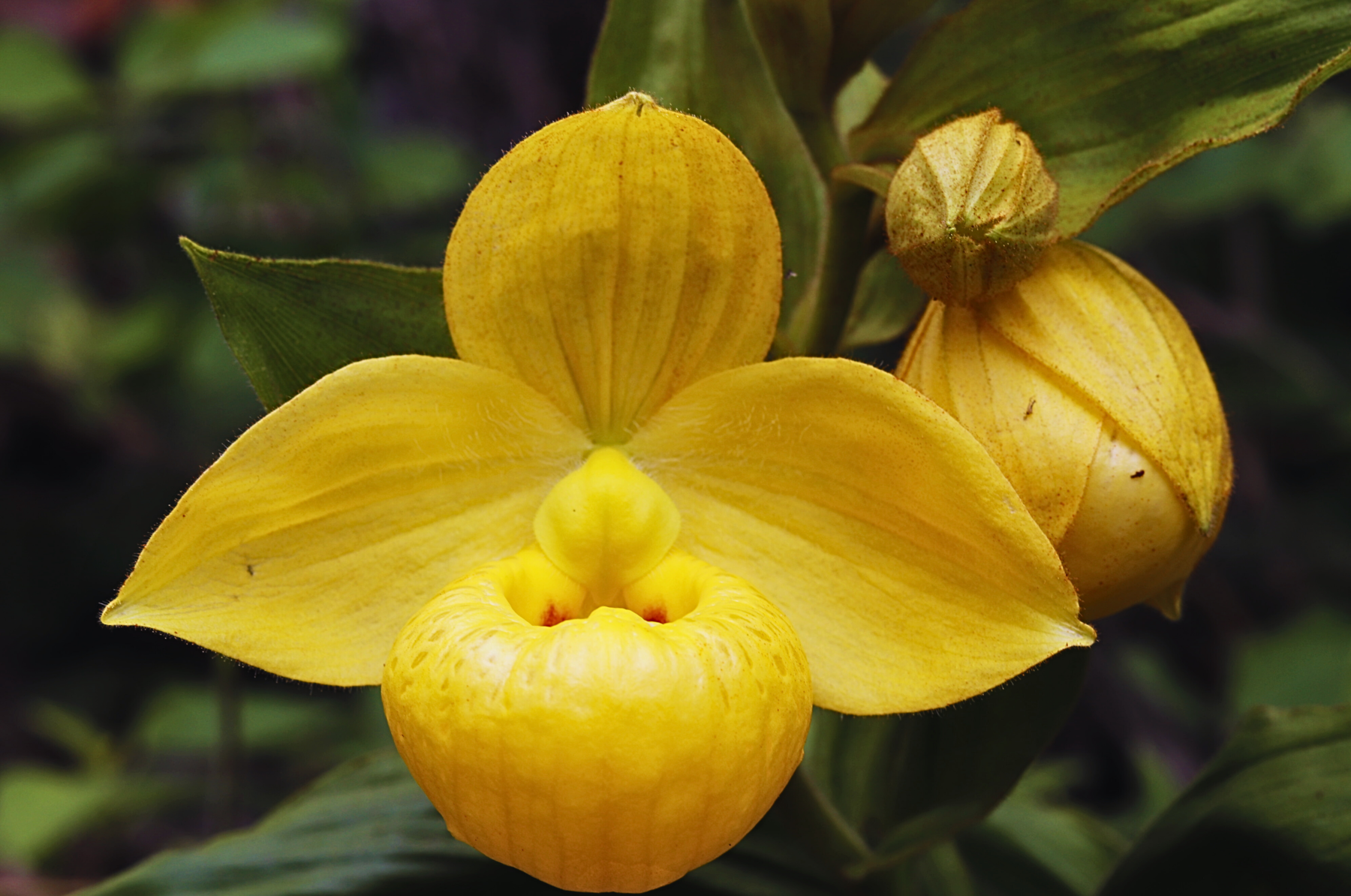
In the summer of 2023, a casual browse through the online forum of the Asociación Mexicana de Orquideología turned into one of the most significant discoveries in Orchidarc’s short history.
Amid a collection of shared photographs, one image stopped us: a plant unmistakably belonging to the genus Cypripedium, growing in a place none of us had expected. Cypripedium irapeanum has long been known from scattered sites across Mexico and Central America, but the plant in the photograph appeared unusually abundant and morphologically distinct.
The post, shared by the naturalist Gabriel, led us to a single mountain in Veracruz. The true scale of what he had found only became clear once we were on the slope. Spread across a single mountainside was a vast population of golden-flowered Cypripedium. Our initial surveys estimated nearly 5,000 individuals, a number that dwarfs most previously documented colonies, many of which rarely exceed a few dozen plants.
The site was remarkable not only for its scale but for the diversity of forms it contained: towering, single-stemmed plants with broad yellow flowers shaded by oaks; clumping grassland forms that turned meadows into golden carpets; and tiny, compact plants perched in shallow soils at the windswept summit among dark volcanic and red earth.
Mexican Cypripedium and their habitats
The Mexican representatives of the genus belong to section Irapeana, regarded as one of the most ancient lineages within Cypripedium. They are the golden slippers of Mesoamerica, their flowers shining yellow to golden orange against oak and pine forest, scrub, and grassland.
Three currently recognised species
- Cypripedium irapeanum La Llave & Lexarza (1825). The largest and most widely distributed of the three, ranging from northwestern Mexico through Guatemala and Honduras. Stems can exceed one metre, with flowers 10 to 15 cm across.
- Cypripedium molle Lindl. (1840). Smaller, confined mainly to Oaxaca and parts of Puebla. Flowers are roughly half the size of C. irapeanum, often with red markings on the lateral lobes. Local Zapotec communities have long known it by names such as guièe-dòoz, meaning flower of the milpa.
- Cypripedium dickinsonianum Hágsater (1984). The smallest and rarest of the three, described from near Comitán, Chiapas. It is rarely taller than 20 to 30 cm, with flowers 2 to 4 cm wide. The species has been reported to self-pollinate, though this remains contested in the literature.
Despite their differences, the three species share key ecological traits. All are terrestrial orchids with perennial rhizomes, producing leafy shoots each rainy season and retreating underground during the dry months. All depend heavily on symbiotic fungi for survival, a reliance so strong that cultivation outside their natural habitat has consistently failed.
Their habitats are nearly as varied as their forms. C. irapeanum thrives across humid oak-pine woodland, grassy banks, rocky outcrops, and even roadside slopes where disturbance mimics natural clearings. C. molle prefers the seasonally dry oak forest and scrub of Oaxaca. C. dickinsonianum inhabits open pine-oak and juniper forest in Chiapas and Guatemala, typically on rocky soils.
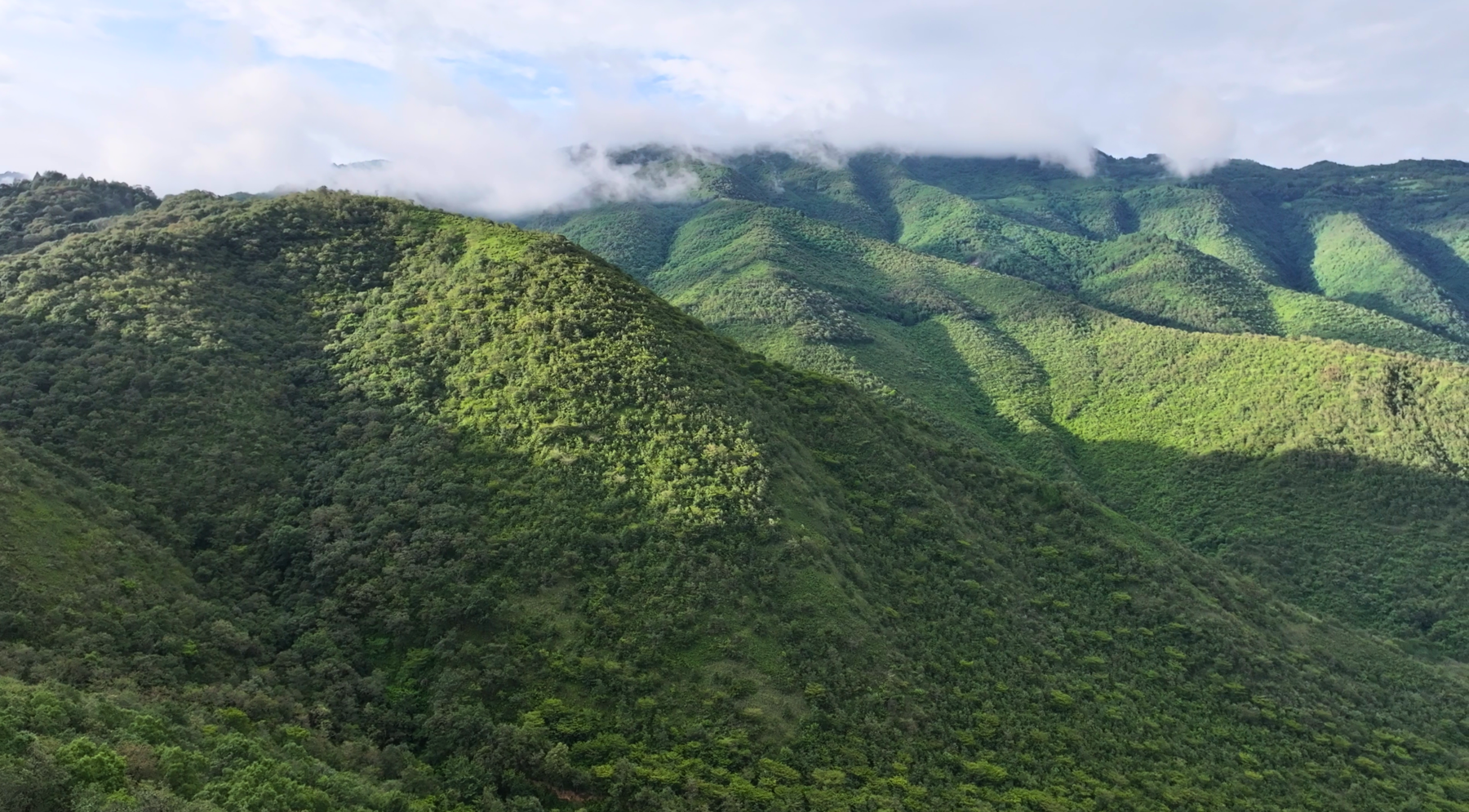
This mosaic of habitats reveals the adaptability of the genus to Central American landscapes, and at the same time its fragility. These orchids persist in places shaped by fire, grazing, and shifting forest edges, but their survival depends on delicate balances of soil, fungi, and microclimate.
The taxonomic debate
Few orchids in Mexico have generated as much taxonomic debate as the golden Cypripedium. Since its first description two centuries ago, Cypripedium irapeanum has been surrounded by a shifting cloud of names, varieties, and supposed new species. Some of these reflect genuine attempts to capture variation across Mexico’s complex landscapes. Others are better understood as natural ecotypes within a flexible species complex.
The story begins with Pablo de La Llave and Juan Lexarza, who in 1825 described C. irapeanum from the mountains near Irapeo, Michoacán. Over the next century, additional names appeared: C. lexarzae, C. splendidum, C. turgidum, and C. molle. C. molle has since been validated as a distinct species, restricted mainly to Oaxaca. Most of the others are now treated as synonyms of C. irapeanum.
In the late twentieth century the picture shifted again with the description of C. dickinsonianum by Eric Hágsater from Chiapas, based on its miniature flowers and apparent self-pollination. More recently, C. luzmarianum was proposed from the Jalisco-Michoacán border, but most subsequent studies have treated this as part of the natural variation of C. irapeanum.
Conservation lesson. Whether we call them species, ecotypes, or synonyms, these golden slippers represent a single evolutionary lineage unique to Mesoamerica. Protecting them means embracing their diversity, not dividing it away.
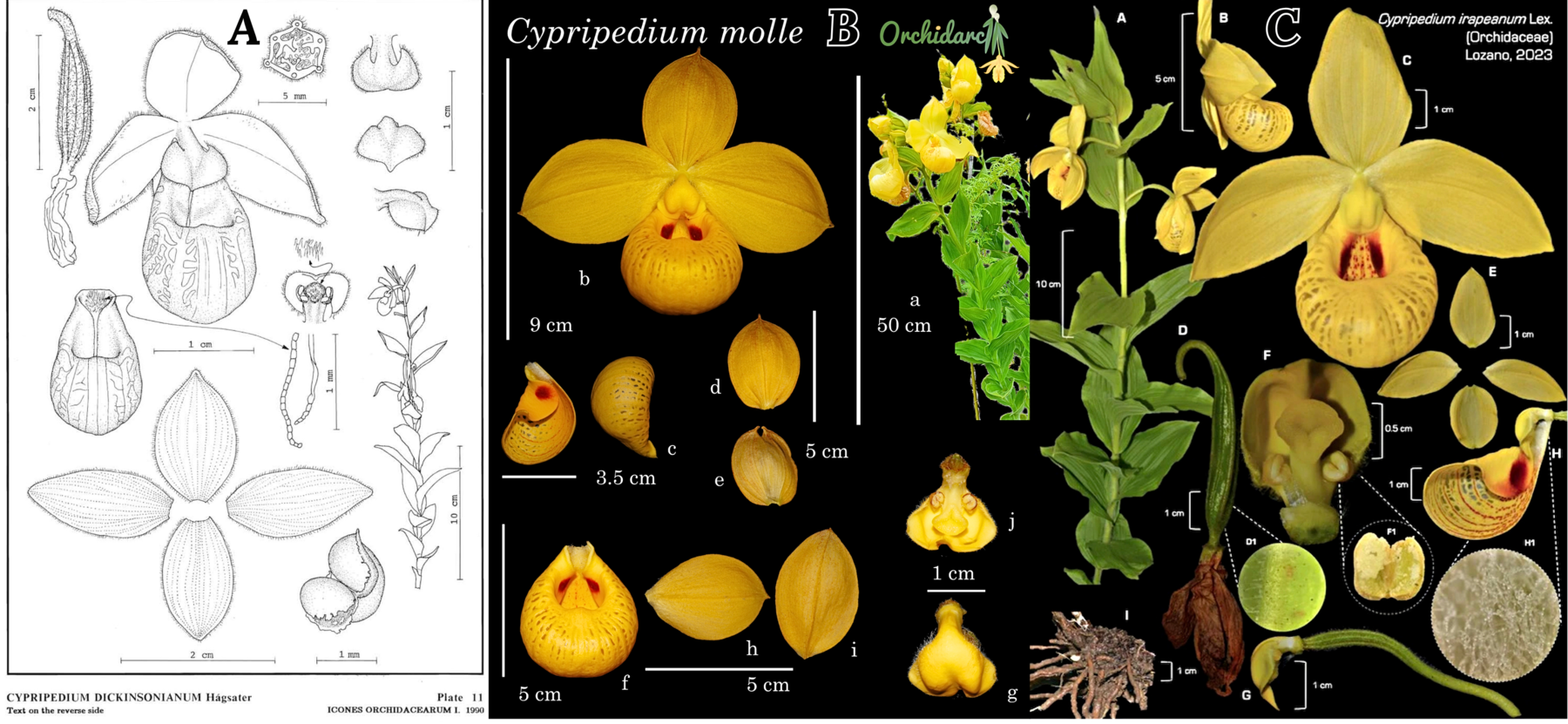
At our Veracruz site, this taxonomic complexity is mirrored in the landscape itself. Plants only a few dozen metres apart can look dramatically different: short oaks sheltering giant blossoms, or grasslands hiding compact clumps of smaller flowers. Such variation argues for careful interpretation. What may appear as a new species in isolation often proves to be the local expression of a broader ecological spectrum.
One mountain, three habitats
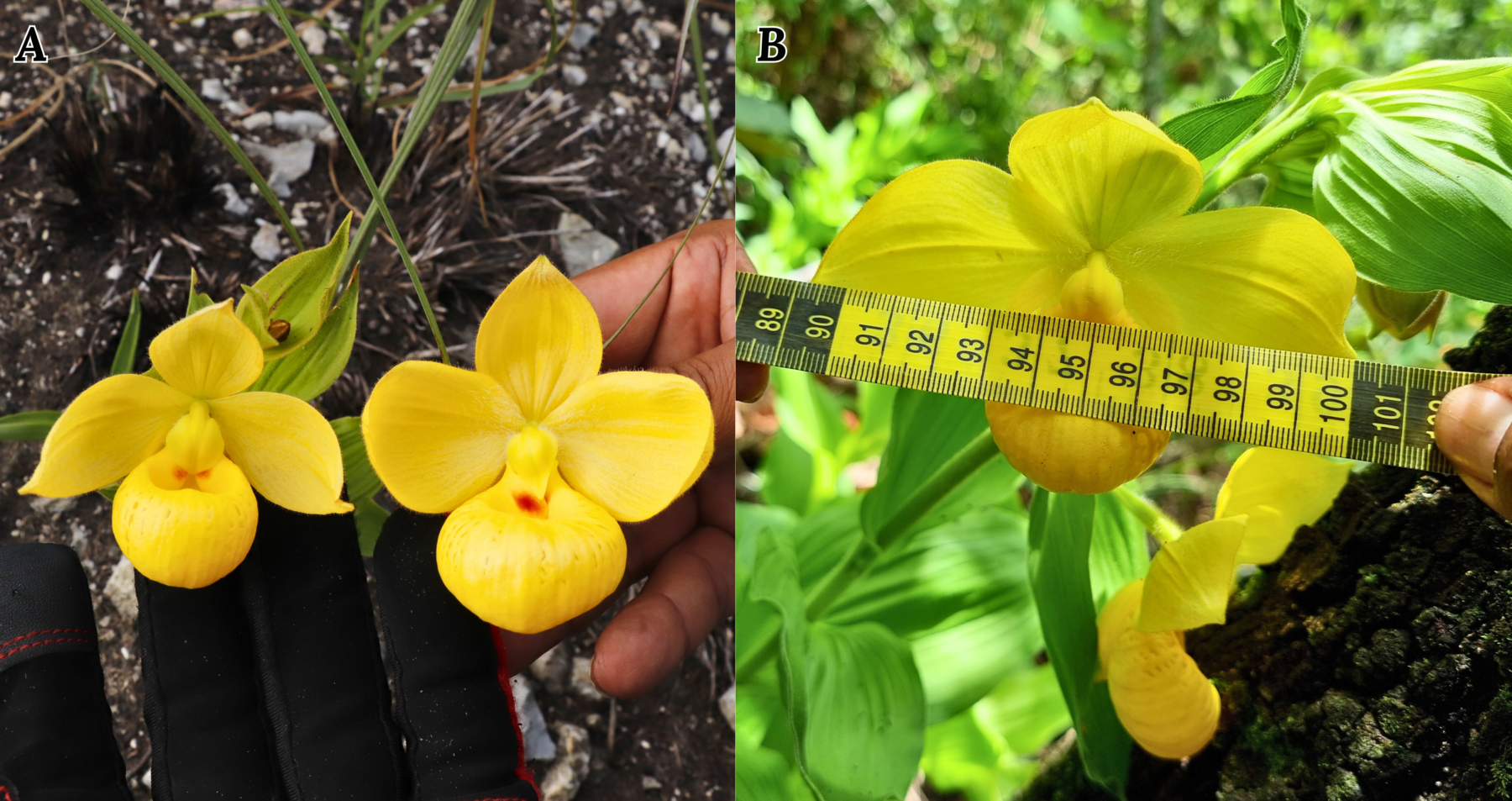
When we first stepped onto the Veracruz site, the variation within a single mountain was immediately legible. The plants had not settled on one form. Instead they expressed a spectrum of adaptations tied closely to three microhabitats: oak savannah, open grassland, and the rocky summit.
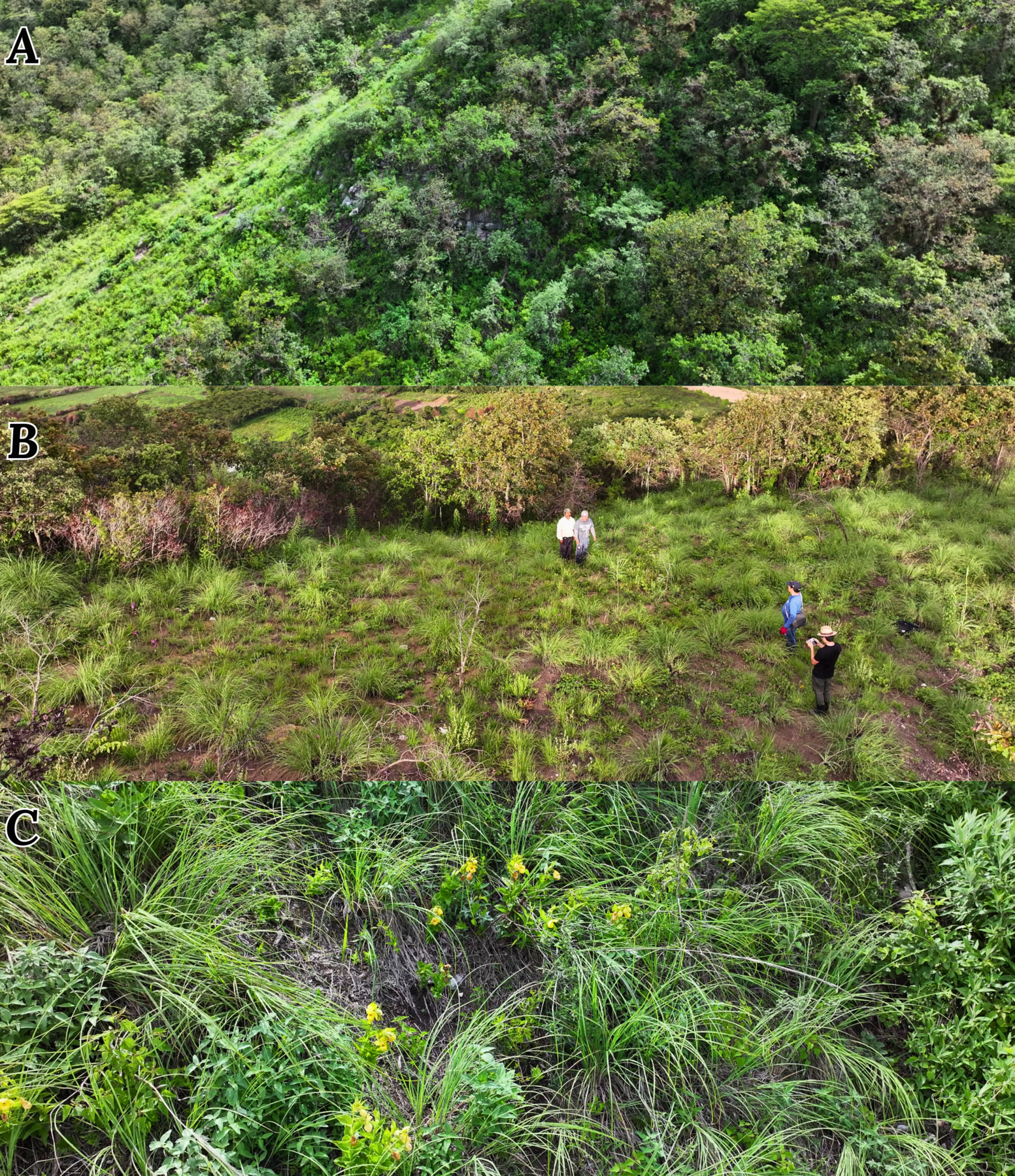
Oaks and the savannah giants
Beneath the shade of mature oaks, the orchids rose like sentinels. Many stood near a metre tall, with single sturdy stems bearing some of the largest flowers we had ever seen in the genus, broad golden pouches with a petal span up to 12 cm. These savannah individuals appeared adapted to lower light, investing in fewer but larger flowers that commanded attention in the dim understorey.
The grassland clumps
Crossing into the open meadows, the character of the orchids changed. Here the plants rarely exceeded half a metre, their flowering stems hidden among tall grasses. They compensated in numbers: clumping colonies of six or more stems, each capped by bright yellow blooms.
The summit dwarfs
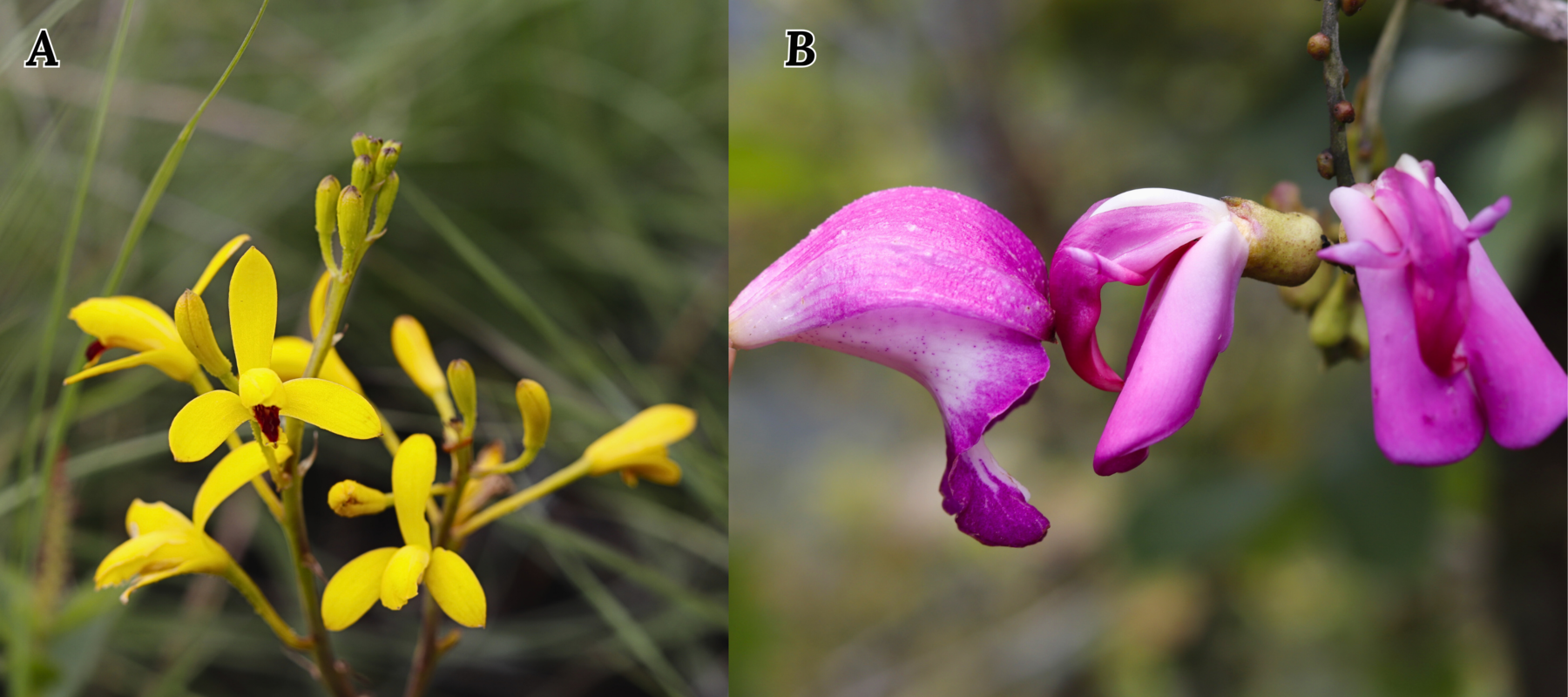
At the windswept summit, where soil was shallow and rocky, the orchids became miniature. Rarely taller than 30 cm, with flowers just 4 to 6 cm wide, they nestled among dark volcanic and red earth, sharing space with Bletia adenocarpa and Bletia campanulata. The co-occurrence of Bletia with a nearly identical yellow and red palette suggested possible pollinator overlap.
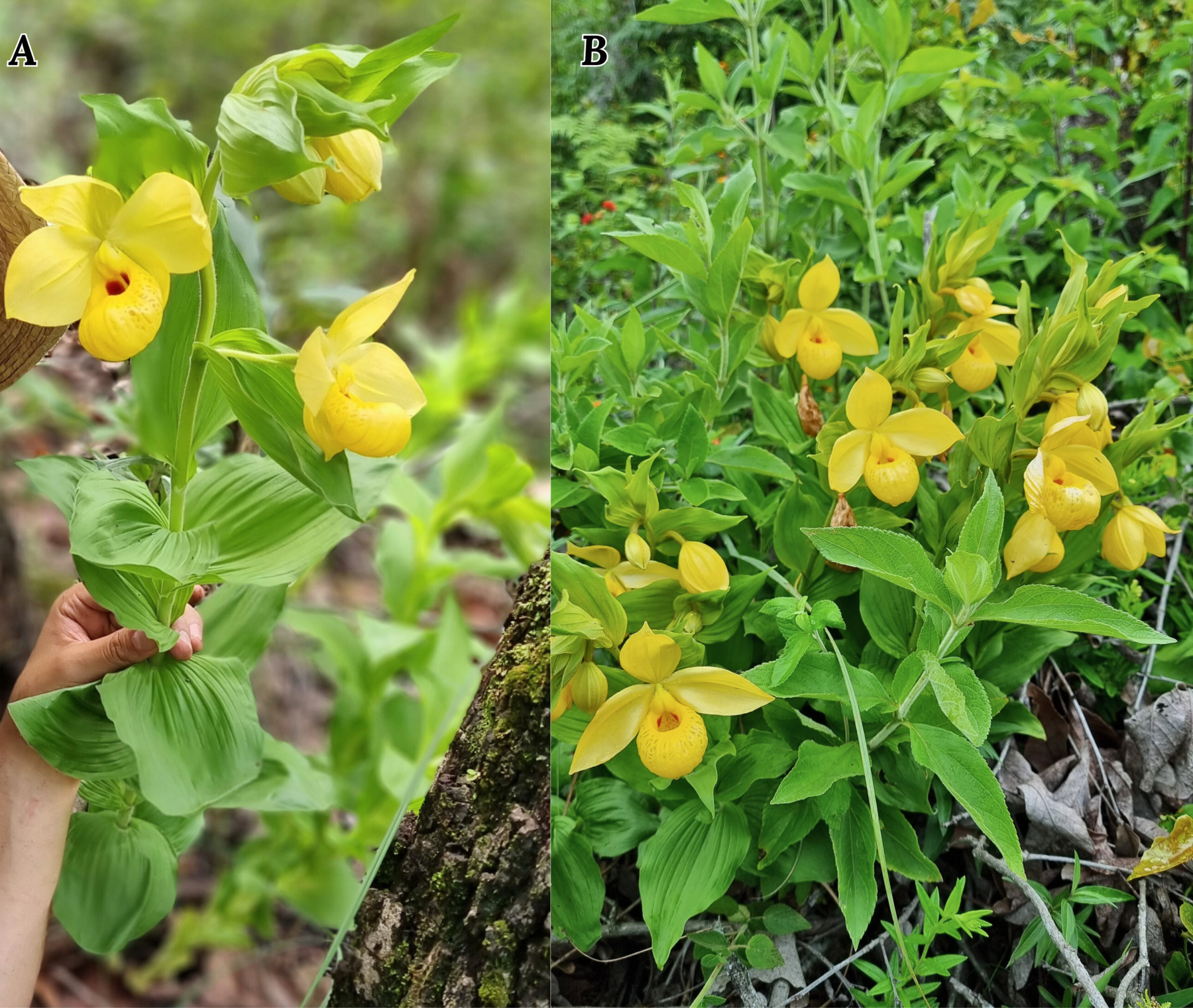
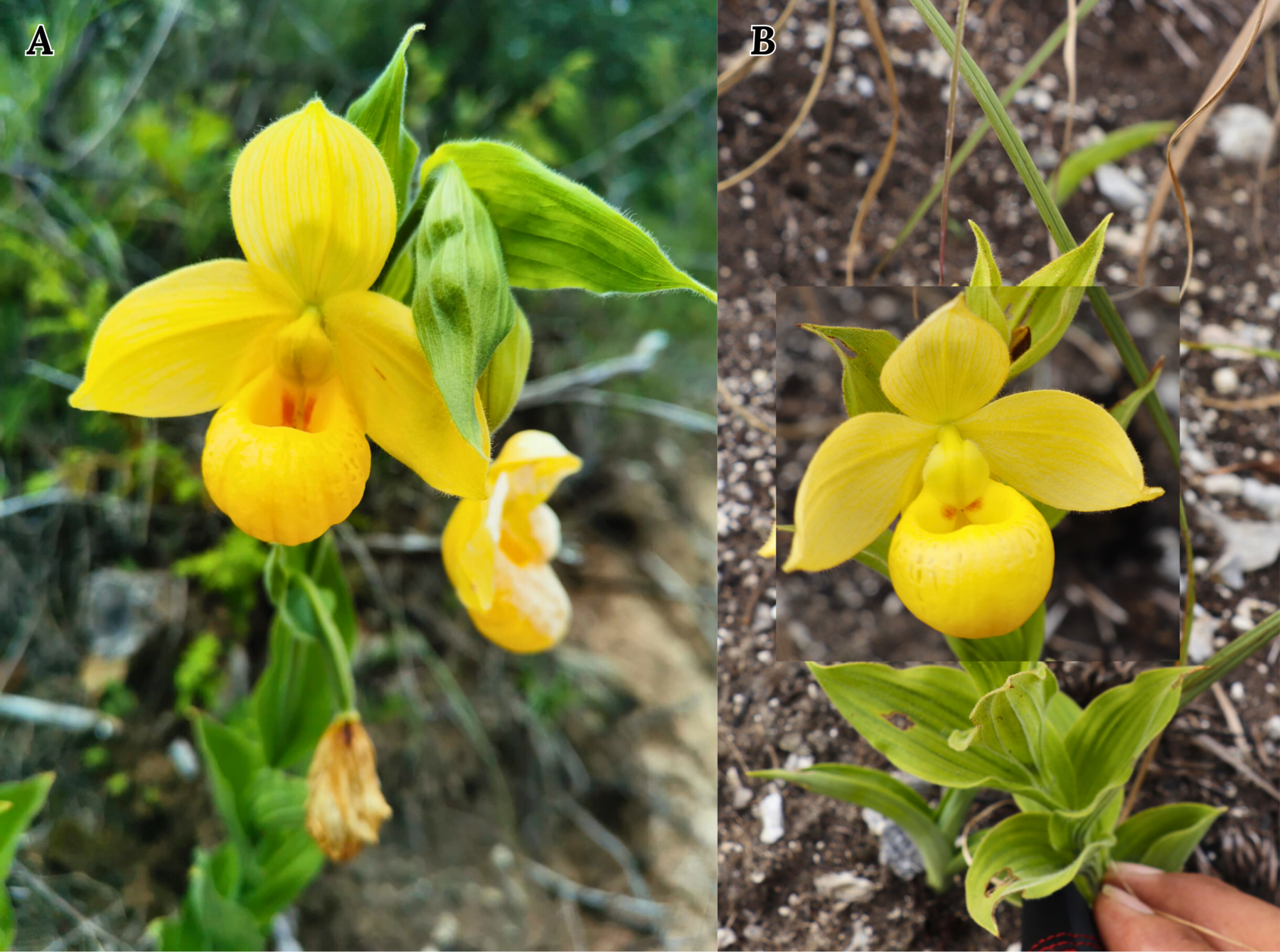
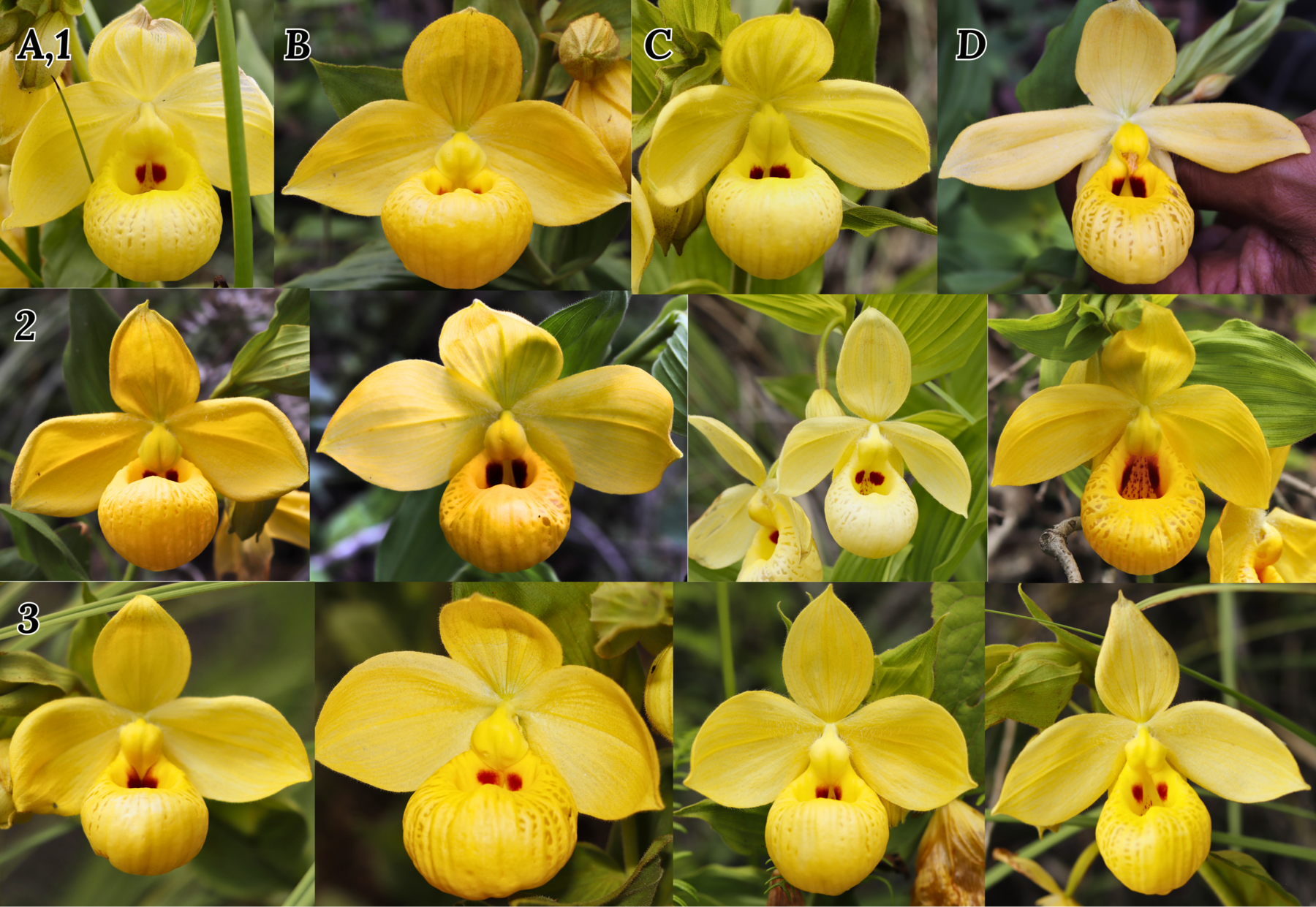
Taken together, these forms tell a story of plasticity and resilience. The same genetic lineage can present itself as a towering forest giant, a meadow colonist, or a rocky summit dwarf, depending on the pressures of soil, light, and disturbance.
Fire and recovery
The discovery of the Veracruz site was quickly shadowed by environmental damage. In the spring of 2024, a series of wildfires swept across central Veracruz on a scale that had not been registered in recent memory, including the slopes that host this population. For a plant so deeply tied to its underground rhizomes and to its symbiotic fungi, fire poses both an immediate and a long-term threat.
The fires of 2024
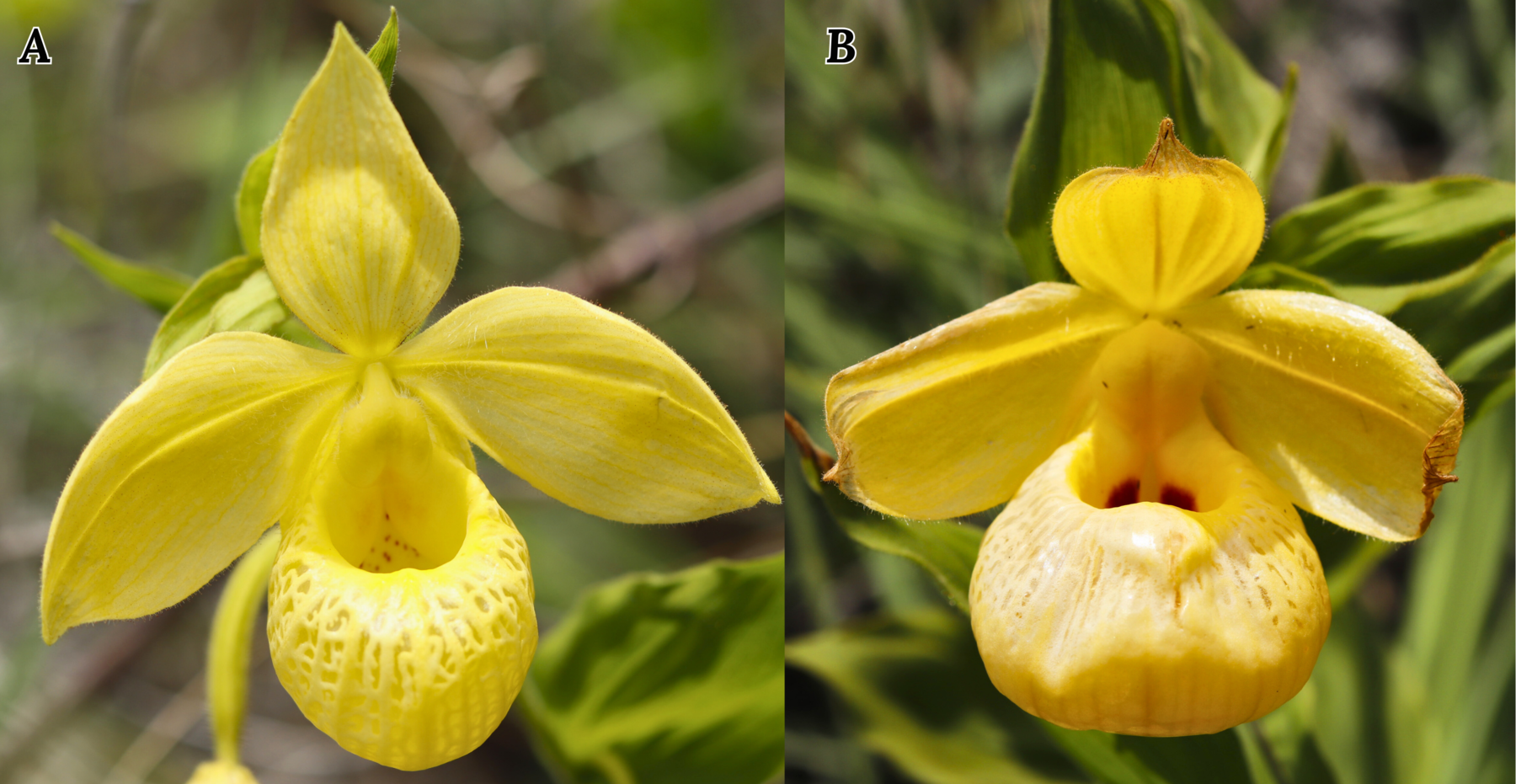
The flames consumed large tracts of oak forest, leaving blackened trunks where rich epiphyte communities once clung. For the Cypripedium, the damage was uneven. Aboveground stems were lost entirely, but underground rhizomes survived in many cases. This survival trait echoes earlier observations that C. irapeanum often appears in disturbed habitats, reemerging years after clearing or burning.
Epiphyte loss and shifting forest ecology
The oak forest subpopulation suffered more than canopy damage. With the epiphytes gone, entire microhabitats were erased, the same microhabitats that once hosted Prosthechea, Encyclia, and Epidendrum. Their absence may affect Cypripedium indirectly by altering pollinator communities, soil conditions, and moisture cycles.
The grassland recovery of 2025
By the following rainy season, Gabriel sent new pictures showing a remarkable recovery in the grasslands. From the ashes emerged dense clumps of Cypripedium, sprouting vigorously and flowering in abundance. Their ability to rebound after disturbance demonstrates real ecological resilience, but it also highlights the fragility of relying on disturbed landscapes for persistence.
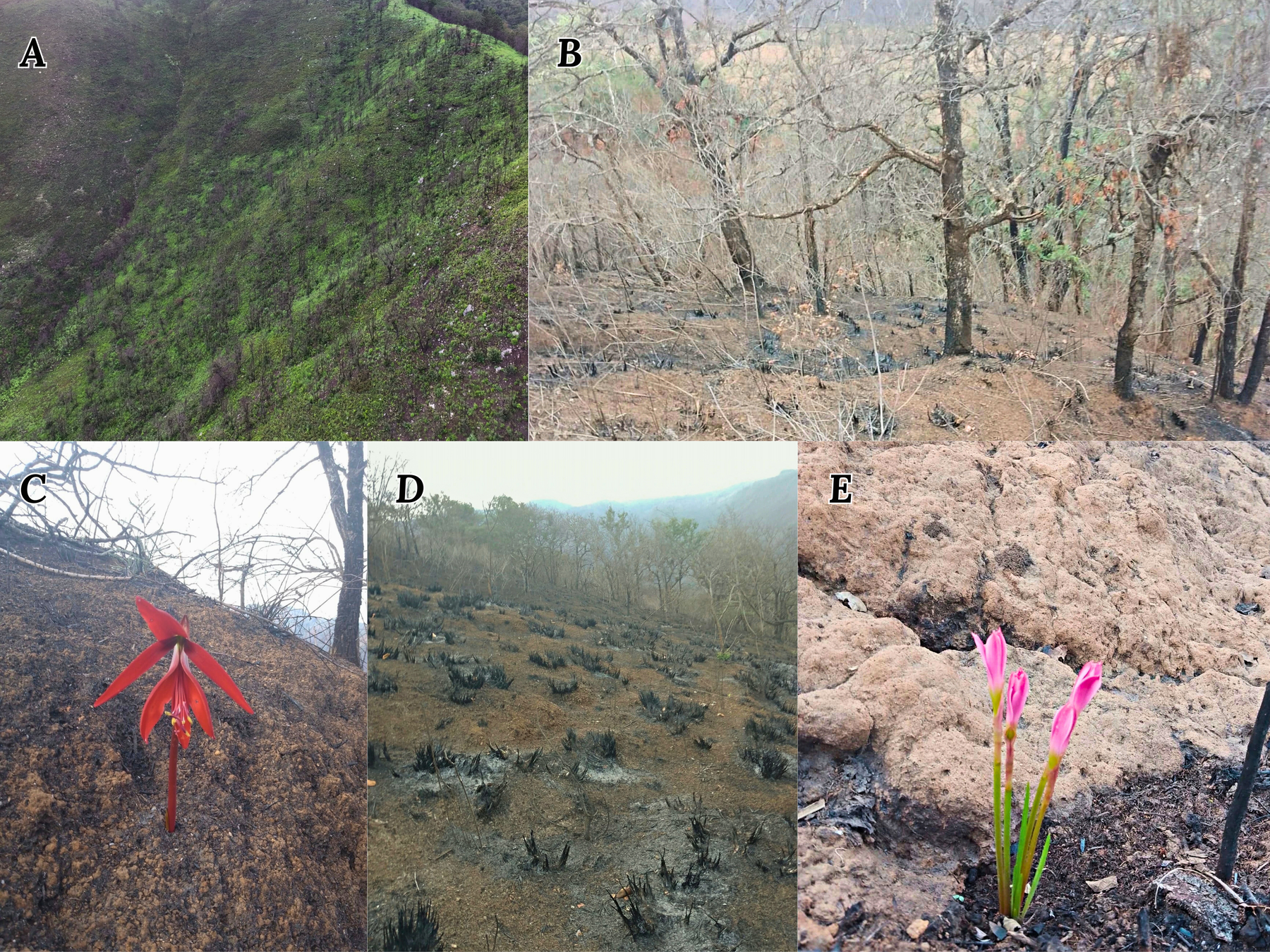
Together these observations point to a paradox. The golden Cypripedium is both fire-resilient and fire-vulnerable. Its rhizomes allow it to survive a burn, but the ecosystem shifts that follow can unravel the very conditions it needs to thrive. Resilience should not be mistaken for invulnerability.
Conservation
The golden Cypripedium of Veracruz is a test of how quickly science, conservation, and community can act together. Our fieldwork has shown that these orchids are resilient in the face of disturbance and at the same time deeply fragile when their web of fungi, soils, and seasonal rhythms is disrupted.
Ex situ work: from seed to seedling
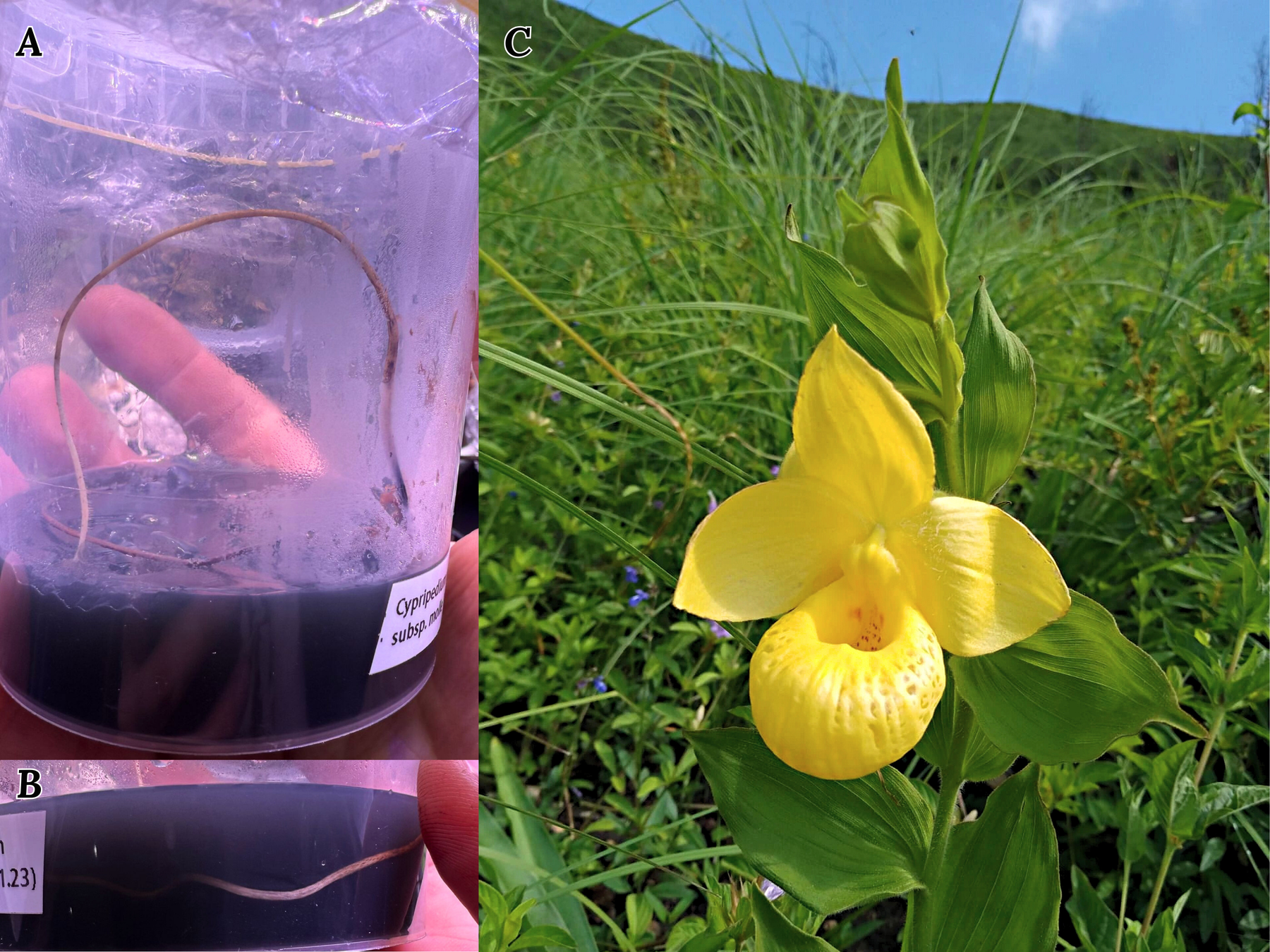
In 2023, during the first season of exploration, we collected a limited number of seed pods for conservation research. These were entrusted to our member Dr. David Gregory at the University of Sheffield, who has since achieved what many believed was not possible: consistent germination and growth of Cypripedium irapeanum under laboratory conditions.
Two adjustments proved decisive: adjusting the pH of the culture media to mirror the calcareous and volcanic soils of wild populations, and simulating the species Ethermal cycle, with cold winters, hot dry springs, cool wet summers, and temperate autumns.
Community land, shared responsibility
Like much of Mexico’s agricultural land, the Veracruz site belongs to a local ejido, a communal landholding. For conservation to succeed here, it must include these communities as active partners. We are developing a campaign to purchase and protect portions of this land while creating sustainable livelihoods through guided ecotourism.
An invitation
In July 2026 we will return to Veracruz during the peak flowering season, accompanied by local partners. We are extending an open invitation to members of the American Orchid Society and the wider orchid community to join us. Details and inquiries: andresr@orchidarc.org.
A mountain at a crossroads
The largest known Cypripedium population in Mesoamerica stands at a turning point. Fire, habitat change, and mismanagement could erase it within a matter of years. With timely action, including land protection, community engagement, ex situ research, and international support, it could instead become a model for how Mexican orchid conservation works in practice.
These orchids have survived millions of years, evolving through fire and through climate change. Whether they survive the next few decades depends on us.
Support the Cypripedium campaign
References
- Cribb, P. J. and M. A. Soto-Arenas. 1993. The genus Cypripedium in Mexico and Central America. Orquídea (Méx.) 13(1-3): 205-214.
- Hernández-Apolinar, M., C. C. Gutiérrez-Paredes, I. Sánchez-Gallen, E. Aguirre, and E. A. Pérez-García. 2012. Ecological aspects of Cypripedium irapeanum La Llave & Lex., an endangered Mexican orchid species. Slipper Orchid Alliance Newsletter 13(4): 1-6.
- Lagou, L. J., G. Kadereit, and D. F. Morales-Briones. 2024. Phylogenomic analysis of target enrichment and transcriptome data uncovers rapid radiation and extensive hybridization in the slipper orchid genus Cypripedium. Annals of Botany 134: 1229-1250.
- Li, J.-h., Z.-j. Liu, G. A. Salazar, P. Bernhardt, H. Perner, T. Yukawa, X.-h. Jin, S.-w. Chung, and Y.-b. Luo. 2011. Molecular phylogeny of Cypripedium inferred from multiple nuclear and chloroplast regions. Molecular Phylogenetics and Evolution 61: 308-320.
- Moreno-Camarena, M. and M. P. Ortega-Larrocea. 2022. Mesoamerican Cypripedium: Mycorrhizal contributions to promote their conservation as critically endangered species. Plants 11: 1554.
- Pérez-García, E. A. and E. A. Mó. 2012. Las Cypripedioideae de Mesoamérica, Parte I: Los géneros Cypripedium y Selenipedium. Boletín de la Asociación Mexicana de Orquideología Nov-Dec: 4-15.
- Rankou, H. and G. A. Salazar Chávez. 2014. Cypripedium irapeanum. The IUCN Red List of Threatened Species 2014: e.T43316630A43327669.
- Salazar, G. A. and H. Rankou. 2014. Conservation status of Cypripedium irapeanum. IUCN Red List assessment, Gland, Switzerland.
- Szlachetko, D. L., M. Kolanowska, R. Medina Trejo, R. González-Tamayo, and T. Veyret. 2021. The natural history of the genus Cypripedium. Acta Societatis Botanicorum Poloniae 90(1): 9029.
- Vargas-Rueda, A. F., J. E. Rivera-Hernández, M. de J. Cházaro-Basáñez, and G. Alcántara-Salinas. 2019. New records for the flora of Veracruz in the Cañón del Río Blanco National Park, Mexico. Acta Botanica Mexicana 126: e1429.
- Vannini, J. 2002. Cypripedium dickinsonianum / C. irapeanum in nature. Cypripedium.de Forum, June 27.